Trips with a reason
An ancestry trip to Scotland: following your family’s story
From a family record to a place you can visit. Begin with what you know, and build the journey from there.
An ancestry trip to Scotland begins with a person, a record or a place you want to understand better. You may have a detailed family tree and a particular village in mind, or only a name and a story passed down at home. Those are different starting points, and the research should help determine the journey.
Bring together what you already know before choosing a route. We can discuss research support, identify the places relevant to your brief and build a wider holiday around them. A family connection can give the trip a personal centre while still leaving time for Scotland's landscapes, food and other interests.
Begin with the ancestor, rather than the surname
Write down the person you want to trace, their approximate dates and the family relationship you believe connects them to you. Include any known places of birth, marriage, work or residence. Starting with an individual gives a researcher something more useful than a surname shared by many unrelated families.
A clan name can be an interesting introduction to Scottish history. It does not, by itself, establish a documented link to a particular castle, estate or historical figure. Keep surname associations separate from evidence about your own ancestors so the route does not become a tour of connections that have never been established.
If a family story is uncertain, say so. An account remembered by a relative can be a useful lead without being treated as proven. A worthwhile trip may explore the historical setting of that story, even when the records do not resolve every part of it.
Gather a small research pack
Send the documents most directly relevant to the question you want answered. A clear selection is easier to assess than a large folder with no explanation of how the people fit together. Preserve references, dates and spellings, including alternative spellings found in different records.
- A short family tree showing the relationship you want to investigate.
- Copies or references for relevant birth, marriage, death and census records.
- Known Scottish addresses, villages, parishes or burial places.
- Letters, photographs or family accounts, with what is known about their source.
- A note separating confirmed facts, likely connections and unanswered questions.
- The particular people or places you would most like the trip to focus on.
You do not need to solve the whole family history before asking us about travelling. A concise account of the current evidence allows us to discuss the appropriate next step. Avoid sending original documents through the post unless a specific arrangement has been agreed.
Define the research question before the holiday route
Decide whether you want help confirming a family line, understanding a known location or visiting places already supported by your records. Those goals involve different amounts of preparation. Research into an uncertain ancestor should not be squeezed into a touring day that is already full.
Our Your Scottish Roots itinerary includes the idea of genealogical preparation before travel. For your own enquiry, we will discuss the question, the work required and how the results can inform the route. Ask what research is included, how findings are presented and which costs are separate from the holiday.
Be prepared for the findings to change your initial geographical plan. An old address may identify a different parish from the one you expected, or several places may be relevant at different points in a person's life. Let the evidence guide the visit rather than asking it to fit a route chosen first.
Scotland's People and the historical search rooms
The Scotland's People Centre in Edinburgh provides access to digitised records and indexes. Its current visitor guidance requires a seat to be booked online before a standard visit. Check the opening days and access arrangements for your dates rather than assuming it is somewhere to drop into between other bookings.
The National Records of Scotland's historical and other search rooms are separate facilities with their own procedures. The reader's ticket requirements currently include proof of name, proof of address and two passport-sized photographs. Those requirements should not be confused with a visit to the Scotland's People Centre.
Before allocating a research day, establish which records are needed and where they can be consulted. We can discuss whether you want to take part in that work or have research completed before the journey. A holiday does not need to include an archive visit simply because family history is its theme.
Turn documented places into a sensible route
Once relevant locations are established, choose which ones matter most to you. A former home, a church or the surrounding landscape may offer a stronger personal connection than a famous castle with only a broad surname association. Some locations will need explanation or local context to make the visit meaningful.
Group nearby places into days rather than crossing the country in the order they appear on a family tree. If the records point to several distant regions, discuss which deserves the most time. You may prefer a focused trip now and another journey later to a succession of long transfers.
Our Scotland route guide gives a starting framework for the wider holiday. For an ancestry trip, the family places come first and the more general visits fit around them. Edinburgh is useful when it serves the research or travel plan; it is not a requirement for every heritage journey.
Be realistic about houses, churches and burial grounds
An address in a record may have changed name, been redeveloped or disappeared. A church may have different opening arrangements from those you expected. Before treating a visit as a central moment, establish what remains and whether the place can be visited on your dates.
A property connected to your family history may now be someone's private home. A historical link does not create a right to enter it, and any request for access needs the present owner's agreement. We can discuss appropriate requests, but a proposal should distinguish confirmed access from a visit that remains subject to permission.
For a burial-place visit, check the location as carefully as possible before travel. Not every grave has a surviving or legible marker. Allow time for the visit without assuming there will be a particular inscription to photograph. Understanding the place can still be worthwhile even when one expected detail cannot be found.
Rebecca and her sister: a connection explored together
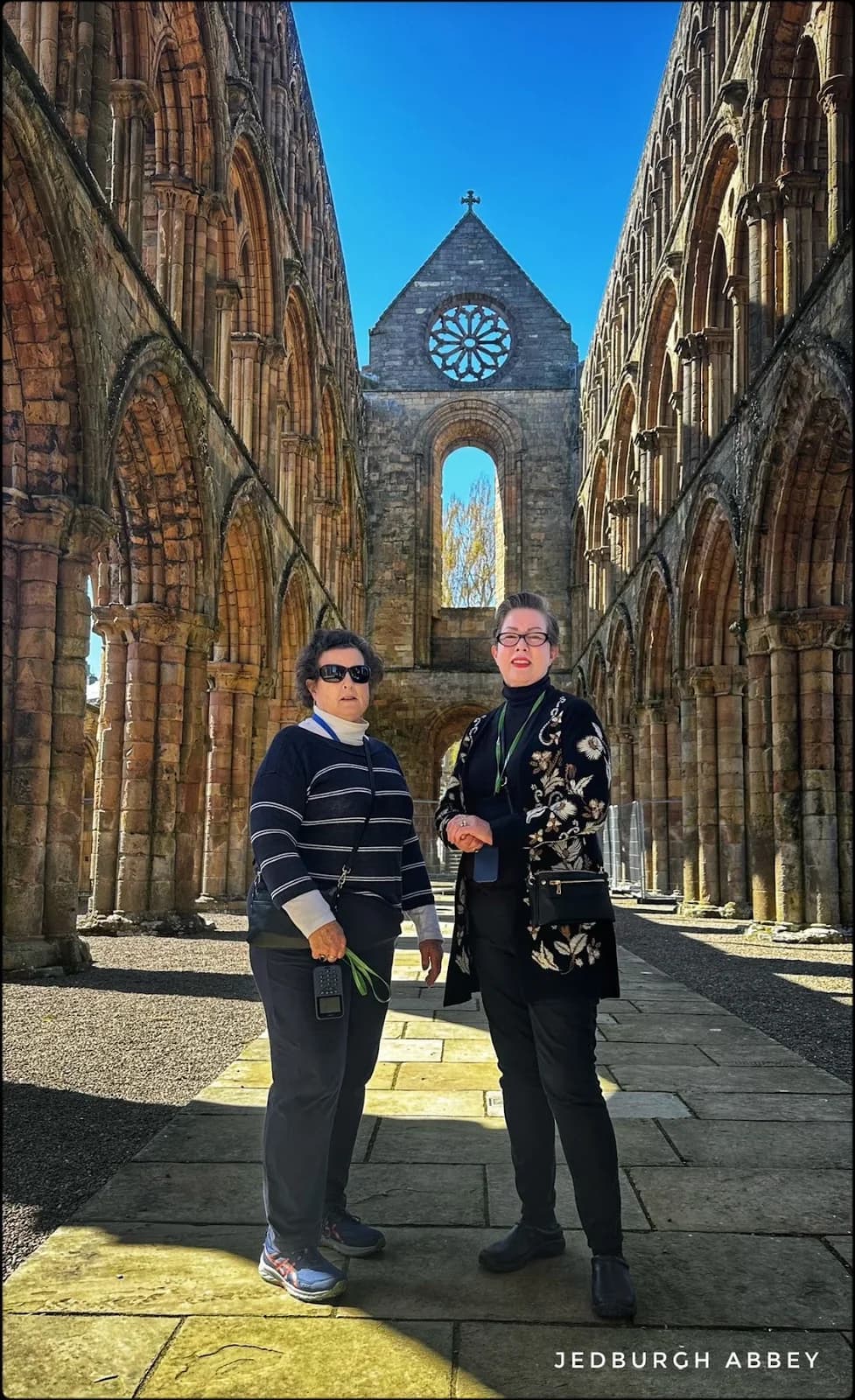
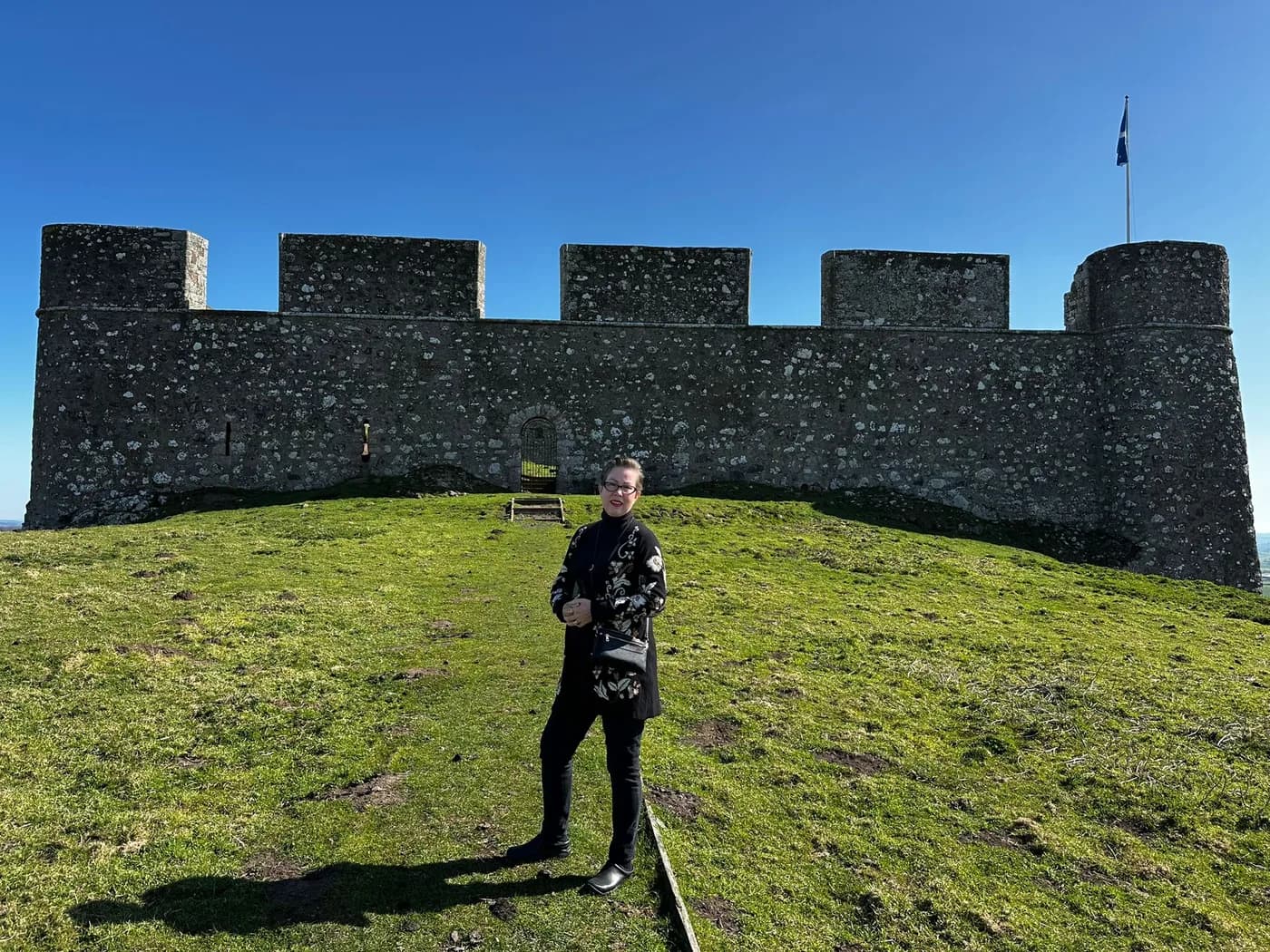
Rebecca travelled with her sister to explore their Hume family connections. Hume Castle and the Borders provided a starting point, with time planned around Melrose and Jedburgh. Their wider journey also brought in Edinburgh, the west coast and the Highlands.
The family interest gave the route its purpose, while travelling together made it something the sisters could share. Rebecca's feedback was warm and direct: they had had a wonderful time. Their story illustrates an ancestry-led holiday; it does not establish a new genealogical discovery that we can claim for them.
Consider who you would like beside you for your own visits. A sibling, parent or cousin may bring different family memories, but they may also want other things from the holiday. Discuss those wishes early so the route makes space for both the family connection and the people sharing it.
Other ways guests have brought heritage into a journey
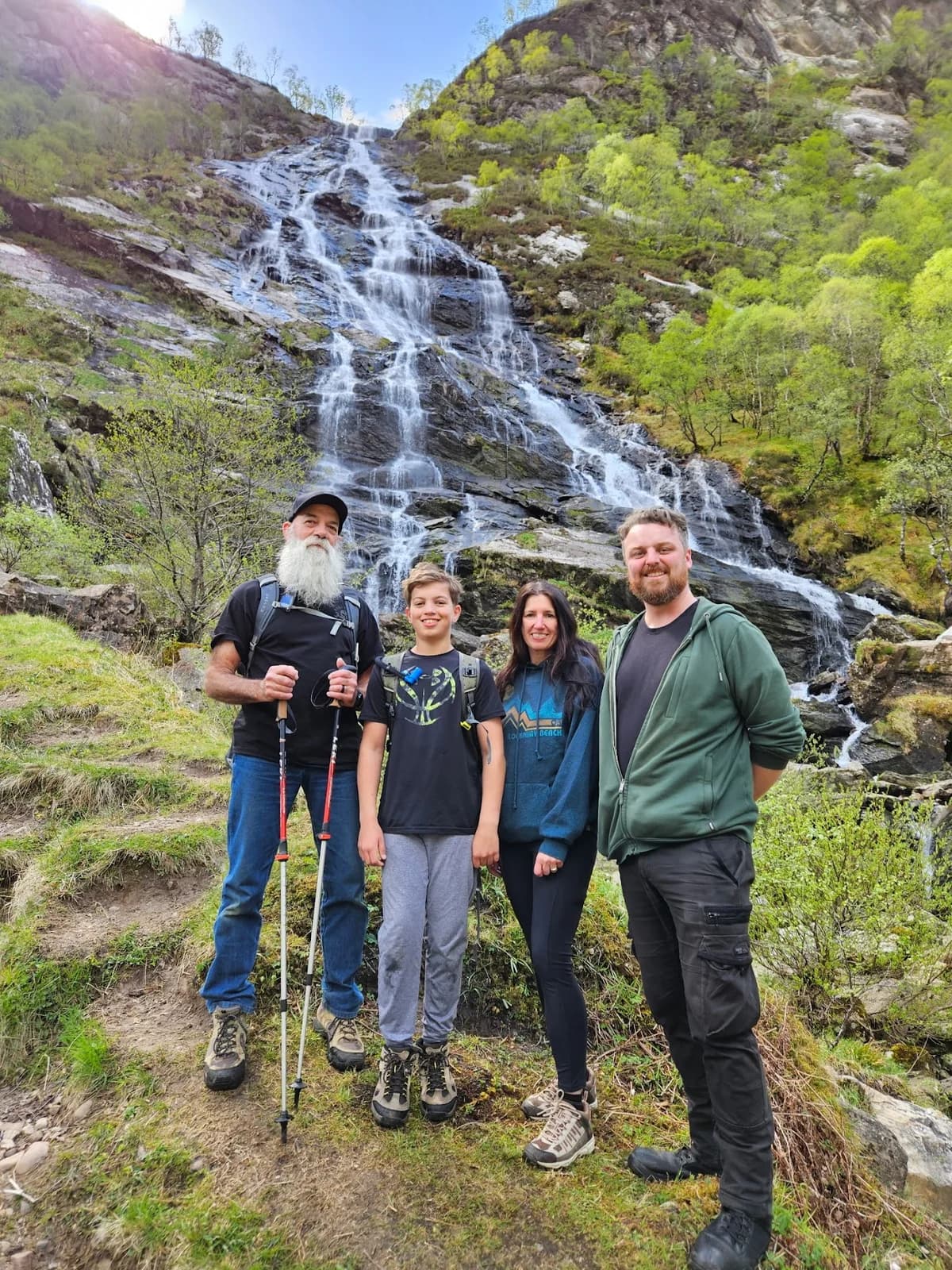
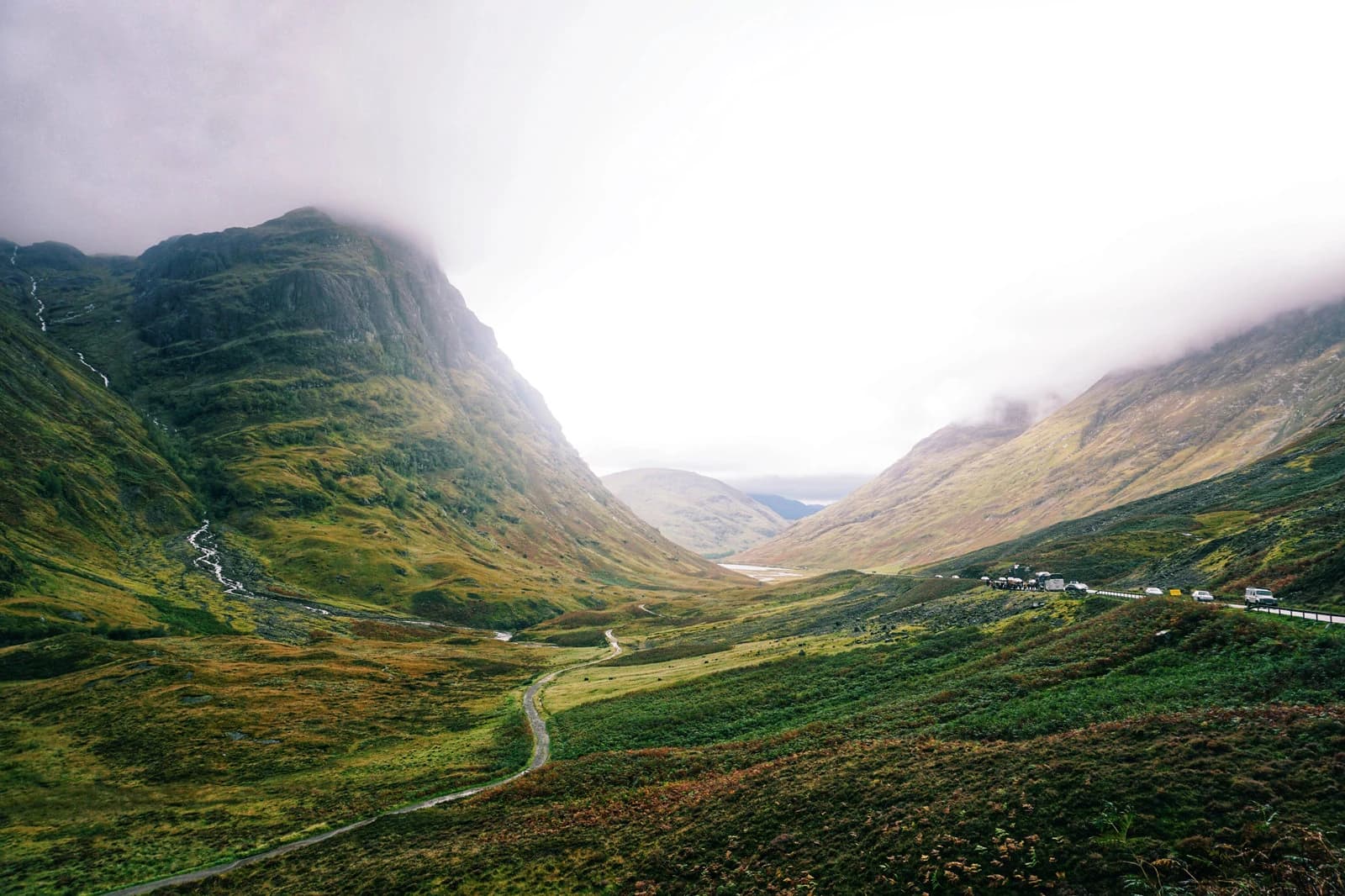
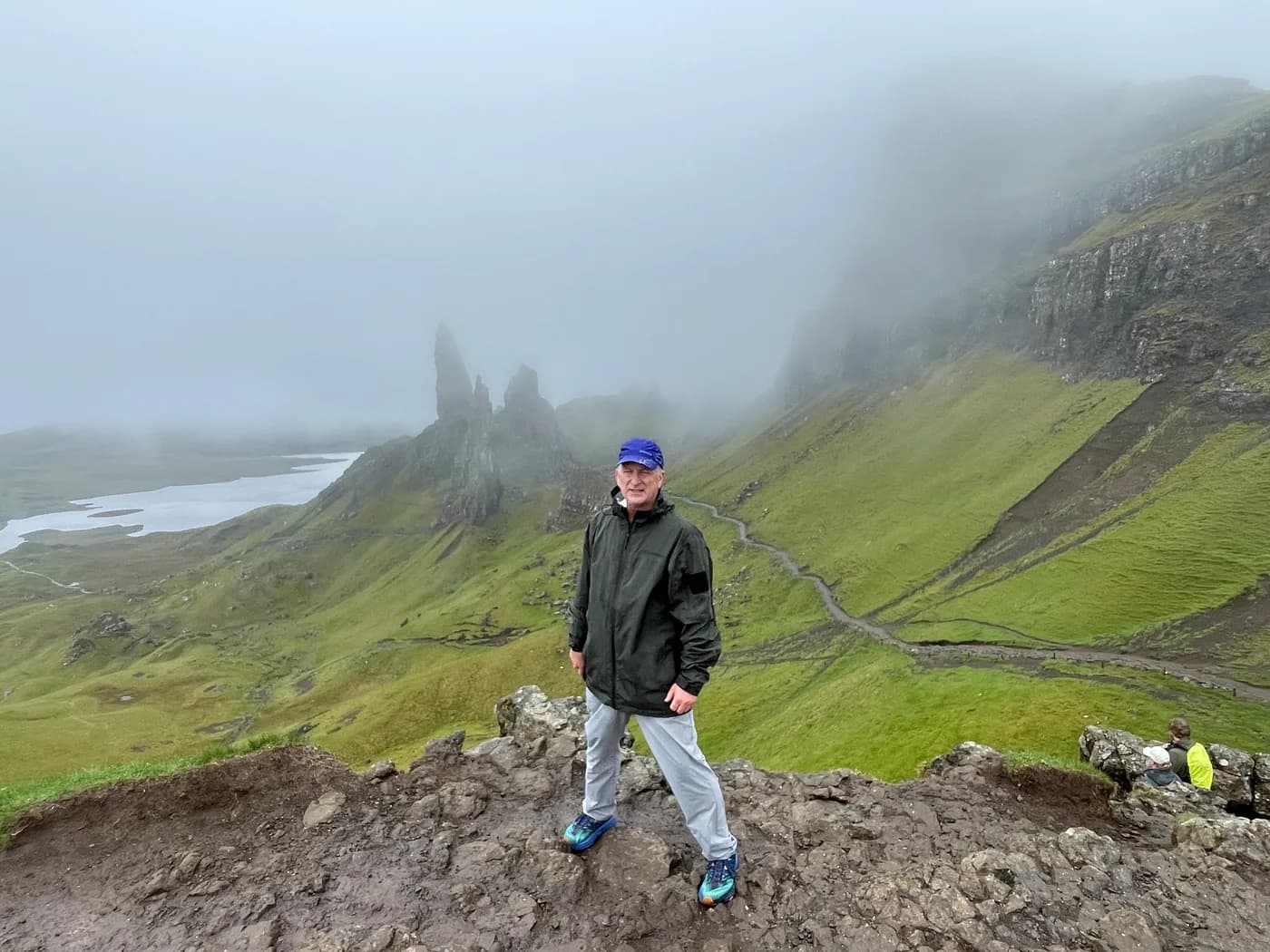
Ed Holton's trip combined an interest in clan connections with the outdoors. We planned a route through Stirling, Glencoe, Glenfinnan and Skye, with history considered alongside the landscapes. In his review, he valued having time to linger in places that interested him.
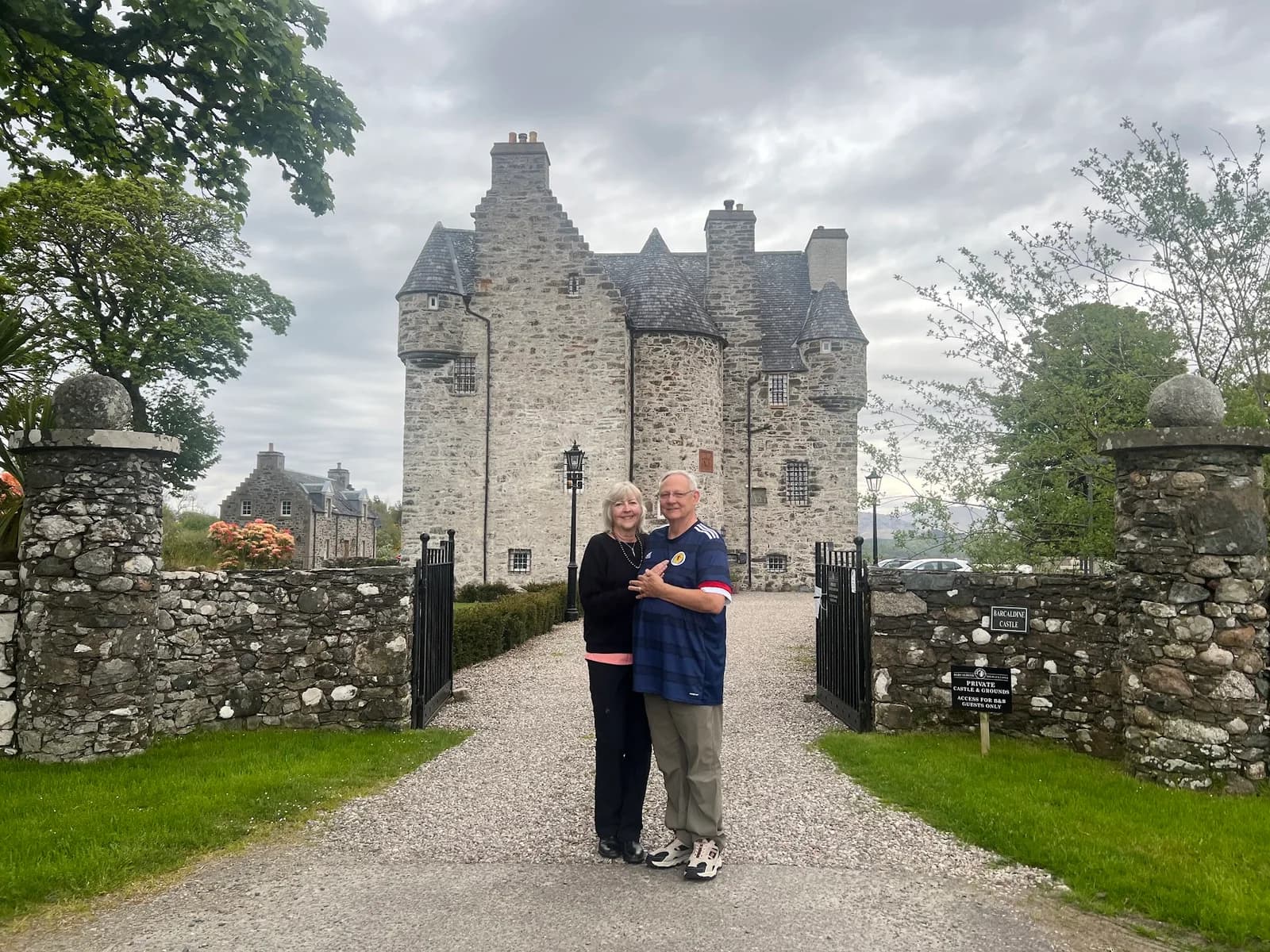
For Teresa and Patrick Garcia, Campbell heritage gave the itinerary a centre around Inveraray, within a broader journey through Scotland. We planned time in Edinburgh, then a route west and on towards Skye. Their own feedback speaks to how much they enjoyed the journey; it is not evidence of a particular newly proven family line.
Carol and David Castle brought ancestry and Outlander interests into the same holiday. Their case shows that heritage does not need to occupy every day. A trip can include family history, places known from film and television, comfortable stays and other interests without losing its personal purpose.
Include the relatives who have a different brief
Not everyone in the party will want to spend the same amount of time researching or discussing family history. Ask how much involvement each person wants and choose shared visits accordingly. One meaningful morning can be better than several full days that only one traveller is looking forward to.
Separate research time from shared touring when that helps. One person might spend time with records while a companion explores the city, with an agreed meeting later. Additional support or transport should be planned explicitly rather than assumed to fit into the same booking.
If you are bringing a larger family group, our family reunion guide covers rooms, shared decisions and practical arrangements. The ancestry brief should fit inside those needs. A family connection is a reason to gather, not a reason to overlook the comfort of the people travelling.
Protect privacy and allow room for uncertainty
Share only the personal information needed for the research you have agreed. Information about living relatives deserves particular care, and their details do not automatically belong in a group itinerary. Tell us how findings should be shared and who is authorised to receive them.
Family research can reveal uncertainty or information that differs from what relatives believed. Decide whether you would prefer to review findings privately before discussing them with the group. A careful presentation distinguishes what the evidence supports from a possibility that still needs investigation.
Leave space around visits with personal significance. You may want time to talk, take notes or simply stay a little longer. A tight schedule of timed attractions can make that difficult. Explain which moments you want to protect so the day has room for them.
Balance heritage with the rest of Scotland
A personal route can still include a coast you have wanted to see, a meal you are looking forward to or a favourite kind of walk. Once the key family visits are in place, choose other experiences that fit the geography and your interests. You do not need to add every major sight to make the journey complete.
Our private driver guide explains how guided travel and independent time can work together. Local historical context can help bring places into focus, while pre-trip research does a different job. Discuss both roles clearly if you want specialist support as part of the holiday.
For a research-led proposal, check that the budget distinguishes preparation, touring, accommodation and any archive or admission costs. The tour cost guide explains other questions to ask. A clear scope makes it easier to compare proposals and understand what happens if additional research is needed.
Two example itineraries, and your own starting point
Your Scottish Roots is an example to explore when you want genealogical preparation to inform a personal route. Discover Your Heritage offers another starting point for discussing family places, historical context and the wider Scottish journey. Neither can promise what your own records will reveal.
Send us the person or family line you want to explore, what you already know, possible dates and who would be travelling. Include any place you particularly hope to visit and a comfortable budget range. We can then discuss the research and travel together, with the evidence, arrangements and open questions clearly distinguished from the beginning.