Planning your budget
How much does a private Scotland tour cost?
What you’re paying for, where the price changes, and the questions that make two quotes comparable.
The cost of a private Scotland tour depends on the people travelling, dates, accommodation, length of the journey and the experiences included. A driver-only day rate is not comparable with a complete trip that includes hotels, airport transfers and arranged activities. Start by deciding which of those services you want, then compare proposals on the same basis.
Below, we show starting prices from selected itineraries currently published on this website. They are useful reference points for our service, not a market average or a confirmed price for your dates. A personalised written quote is the place to settle the total, currency, inclusions and payment terms.
Our published starting prices
These figures come from the same website catalogue as the linked experience pages, so this guide does not maintain a separate price list. Each is a per-person starting price in pounds sterling. Open the itinerary for its current scope and speak to us about your party and dates before making a budget commitment.
| Journey | Published duration | From, per person |
|---|---|---|
| Highlights of Scotland | 5–9 days | £6,500 |
| Together in Tranquility | 8–14 days | £9,950 |
| A Scottish Odyssey | 7–14 days | £18,500 |
Starting prices describe the journeys as published, rather than every possible version of them. Changing dates, room categories, party size or specialist activities can change the quote. We also confirm whether a published duration includes your arrival and departure arrangements, and how many hotel nights the proposal contains.
If you are comparing a quote in another currency, ask which currency the booking will actually be billed in. A website display should not be assumed to be an agreed exchange rate. Keep the written quotation as the reference when comparing suppliers or discussing the trip with your party.
The biggest choices that shape the price
Accommodation is one of the most visible differences between trips. Two travellers sharing a room, two travellers needing separate rooms and a family needing connected space have different requirements. Room category, location and the available inventory on your dates all affect what we can propose.
Transport is another substantial part of a private journey. A vehicle and driver are arranged for your party, so the structure differs from a seat on a larger group tour. Party size influences both the vehicle and how shared services are distributed across the people travelling. More passengers do not automatically mean every cost falls proportionally.
Activities add another layer. A standard admission, a specialist guide and an exclusive-use experience are different purchases. Choose the experiences that matter, then decide where a simpler visit would be just as rewarding. A trip does not become more personal merely by making every activity private.
Dates and season
The same route can produce different accommodation options on different dates. An event, a holiday period or limited room availability can matter more than a broad label such as summer or autumn. If you can travel in either of two windows, ask us to compare actual options rather than assume one is cheaper.
Travelling in a quieter period may offer more choice, but some providers reduce their operating days or close seasonally. A lower hotel price does not help if the principal reason for your trip is unavailable. Our best-time-to-visit guide discusses those trade-offs without promising a universally cheapest month.
Book around the fixed points first. If a particular course, celebration venue or island stay is essential, we need to establish its availability before optimising the rest. Moving the whole journey by a day or two can sometimes be more useful than changing several lesser details.
Number of days, nights and hotel changes
Always distinguish days from nights. A seven-day itinerary with six nights is a different purchase from seven full touring days plus arrival and departure. Ask for a day-by-day outline, the number of nights and the services provided on each day.
A longer trip can add accommodation and touring costs, but it can also make a route more comfortable. The right question is whether the extra time serves the places you want to see. Reducing a fourteen-day plan to ten days by retaining every stop may create more driving rather than a better-value holiday.
Frequent hotel changes also have a cost in time and complexity. Fewer bases may allow more enjoyable days and a clearer plan, even when the headline accommodation cost does not change much. Our seven-, ten- and fourteen-day route examples show the difference between extending a journey and overfilling it.
What can be included in a private journey?
Our proposals can bring together itinerary design, accommodation, agreed private transport, airport transfers, selected activities and on-trip support. The exact inclusions depend on the journey you choose. A specialist heritage trip will not have the same activity list as a golf or anniversary itinerary.
Ask for each inclusion to be clear enough to understand. If accommodation is included, which rooms and which meal basis? If activities are included, which admissions or private arrangements? If support is included, how do you reach the team during the trip? Specific answers are more useful than a general promise that everything is taken care of.
Upgrades, early arrival arrangements and special access may depend on availability. They should be distinguished from confirmed services in the proposal. A note saying that something can be requested is not the same as a reservation guaranteeing it for your dates.
What should you budget for separately?
Our published information generally separates international flights, food and drink expenses, and gratuities from the arranged land journey. Your final confirmation determines the exceptions: a particular meal, tasting or experience may have a specific inclusion. Read that list before adding another allowance for the same item.
Also consider personal purchases and any optional activities you might choose during the trip. Travel insurance and applicable entry arrangements belong in your own preparation unless explicitly addressed in the proposal. Check current requirements with the appropriate official provider rather than relying on a price article for immigration or insurance advice.
For meals, think about the pattern you want. A mixture of local lunches and selected special dinners requires a different allowance from a formal reservation every evening. Tell us about your preferences so restaurant planning and the trip budget describe the same holiday.
Why two private-tour quotes can look very different
One quotation may include hotels and activity admissions while another only supplies transport. One may use a particular room category; another may leave the hotel to be selected later. Even when both say “private Scotland tour”, the purchases can have very little in common.
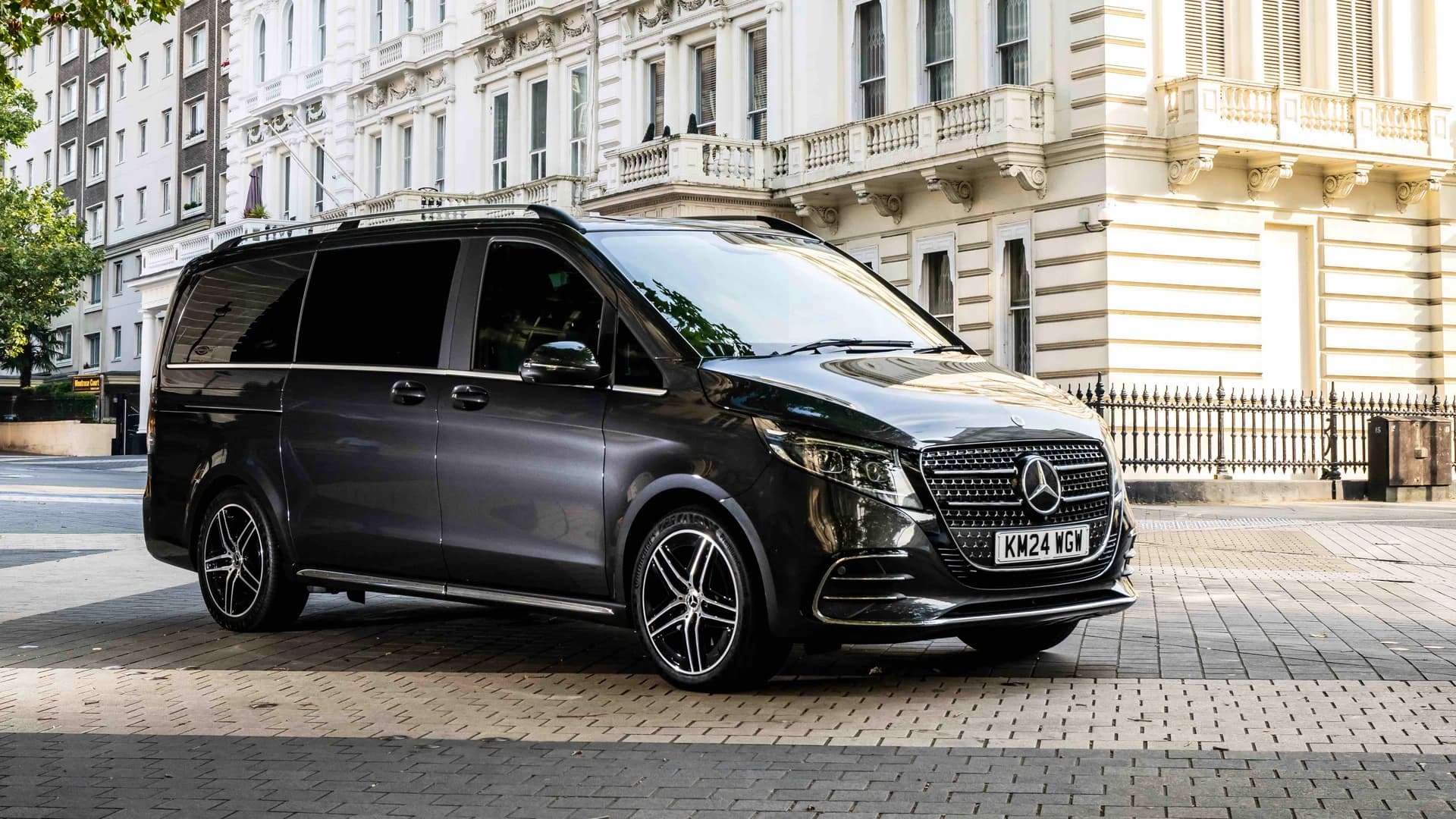
Compare the exact service before comparing the total. A named vehicle subject to availability, a confirmed vehicle category and an unspecified car are not necessarily equivalent. The same applies to separate specialist guides, dining arrangements and the amount of itinerary design included.
The detail does not need to become overwhelming. Ask each provider to identify accommodation, transport, activities, meals, support and exclusions. Then check dates and party size. Once those are aligned, the remaining differences are easier to evaluate on comfort, expertise and the experience you prefer.
A simple quote-comparison checklist
| Question | What a clear proposal should tell you |
|---|---|
| Who is the price for? | Party size, room sharing and any child arrangements |
| What dates does it cover? | Arrival, departure and the booked service days |
| How many nights are included? | Each stay, room category and meal basis |
| How do we travel? | Vehicle arrangements, luggage needs and transfers |
| Which activities are included? | Admissions, specialist guiding and any private elements |
| What remains to pay? | Meals, optional items, gratuities and other exclusions |
| What is confirmed? | Reservations versus requests or provisional options |
| How is it billed? | Currency, total price and the applicable payment terms |
| What if plans change? | The written change and cancellation conditions |
Keep a copy of the proposal that your party actually approves. If an itinerary is revised, make sure the updated inclusions and price are attached to that version. A conversation about adding a day is not a substitute for a revised confirmation.
How to use your budget well
Put money towards the parts you will notice most. If a particular stay is central to the trip, give it priority and simplify less important nights. If you care more about local history than a premium room, spend time discussing the right expertise rather than automatically selecting the highest room category.
A private vehicle can be particularly useful when it supports several days of touring, but you may prefer independent time in a city. Ask whether a mixed arrangement suits the route. It should be chosen for your holiday, not merely to make a headline figure look smaller.
Be honest about the total you feel comfortable spending. A budget range helps us make purposeful choices and explain where your brief fits. There is little value in a proposal that looks attractive but requires you to remove the very experiences that made you want the trip.
Keep special occasions in proportion
An anniversary or milestone birthday does not require a premium upgrade to every part of the journey. Often the important thing is to choose a few moments carefully and leave enough time to enjoy them. A celebration should support the couple or family travelling, rather than compete with the destination.
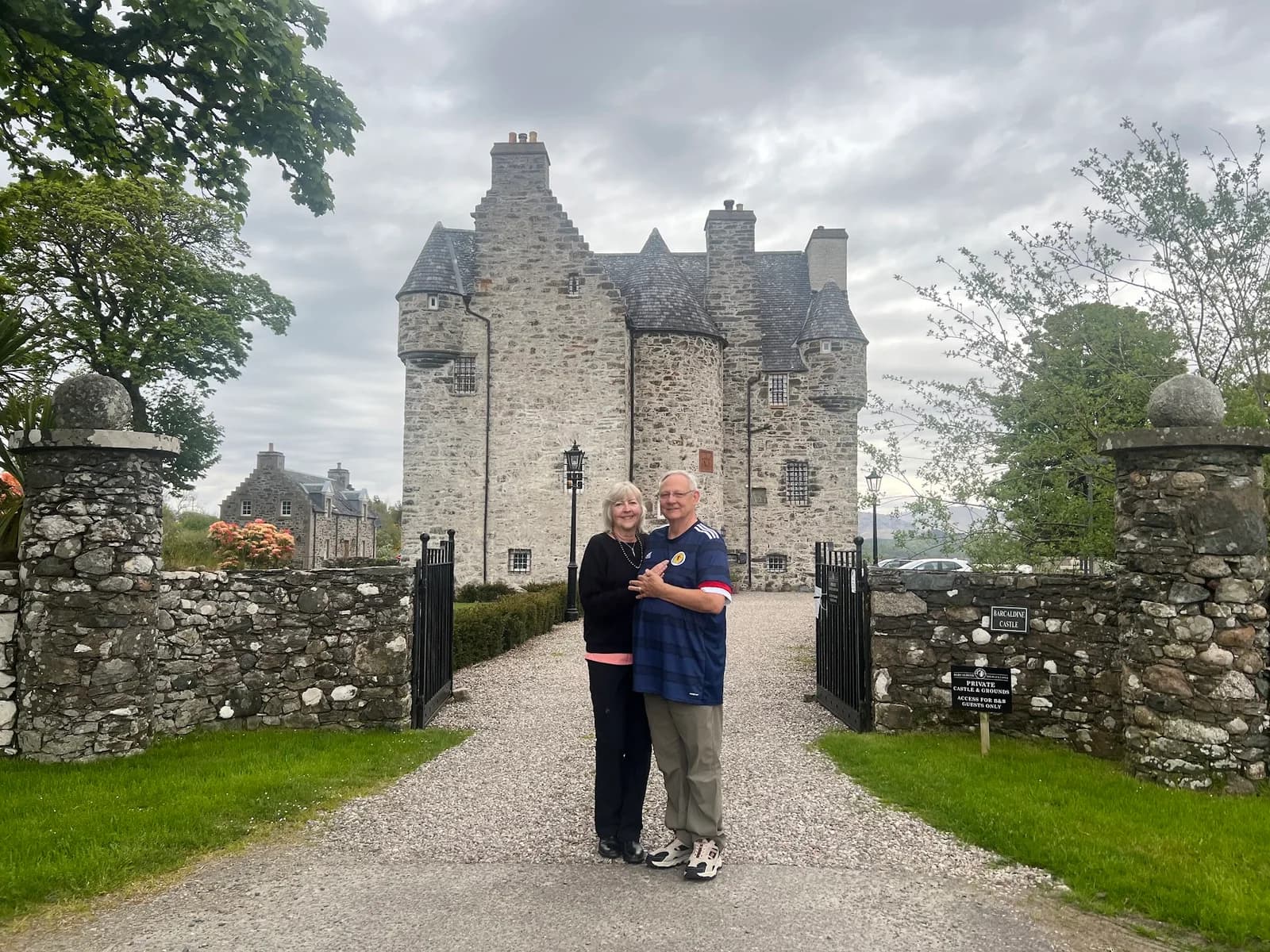
Eric and Charlyn’s thirtieth-anniversary journey included characterful stays, local places and time to fish. Their story is about how those choices fitted them. It is not a price benchmark, and we would not use another guest’s trip to imply an identical quote for yours.
For a similar occasion, read our anniversary planning guide. It helps you decide what should be part of the brief before discussing cost, including the pace, preferred dining style and whether you want a surprise.
What to send for a useful quote
Tell us your possible dates, number of travellers, required rooms and approximate trip length. Add your three priorities, preferred accommodation style and a comfortable budget range. If flights are booked, include arrival and departure details so transfers and the final night can be planned properly.
Mention luggage, access requirements and any fixed event or reservation. These details can change the route or vehicle and are easier to address from the beginning. You can use the experience builder to share the outline without needing to design the full itinerary yourself.
We will use that information to shape a specific proposal. The aim is a clear price for a journey you understand: what is included, what remains your choice, and how each part supports the time you want to spend in Scotland.