Choosing your dates
When is the best time to visit Scotland?
Long summer evenings, autumn colour or a winter escape. Choose the Scotland you want to see.
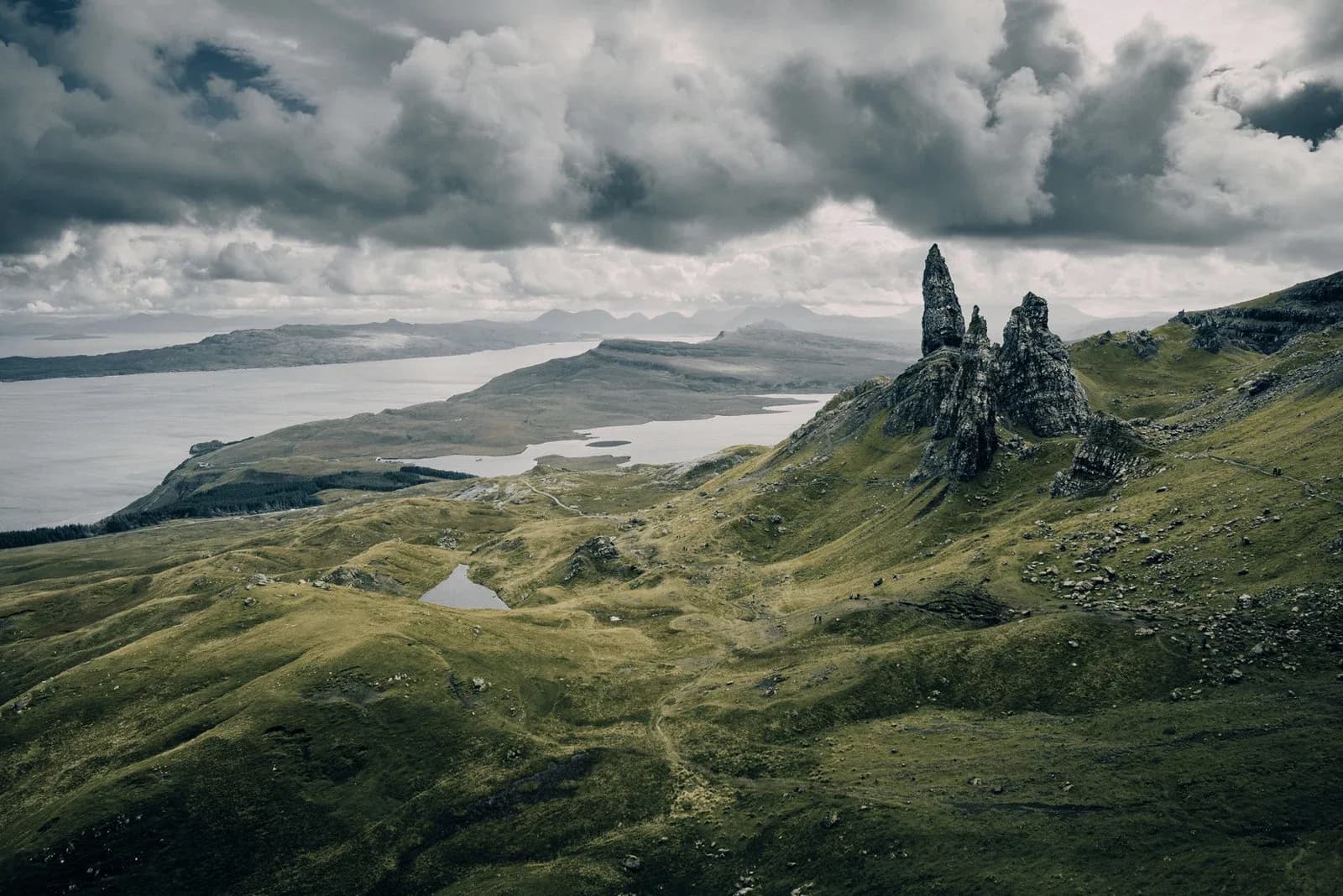
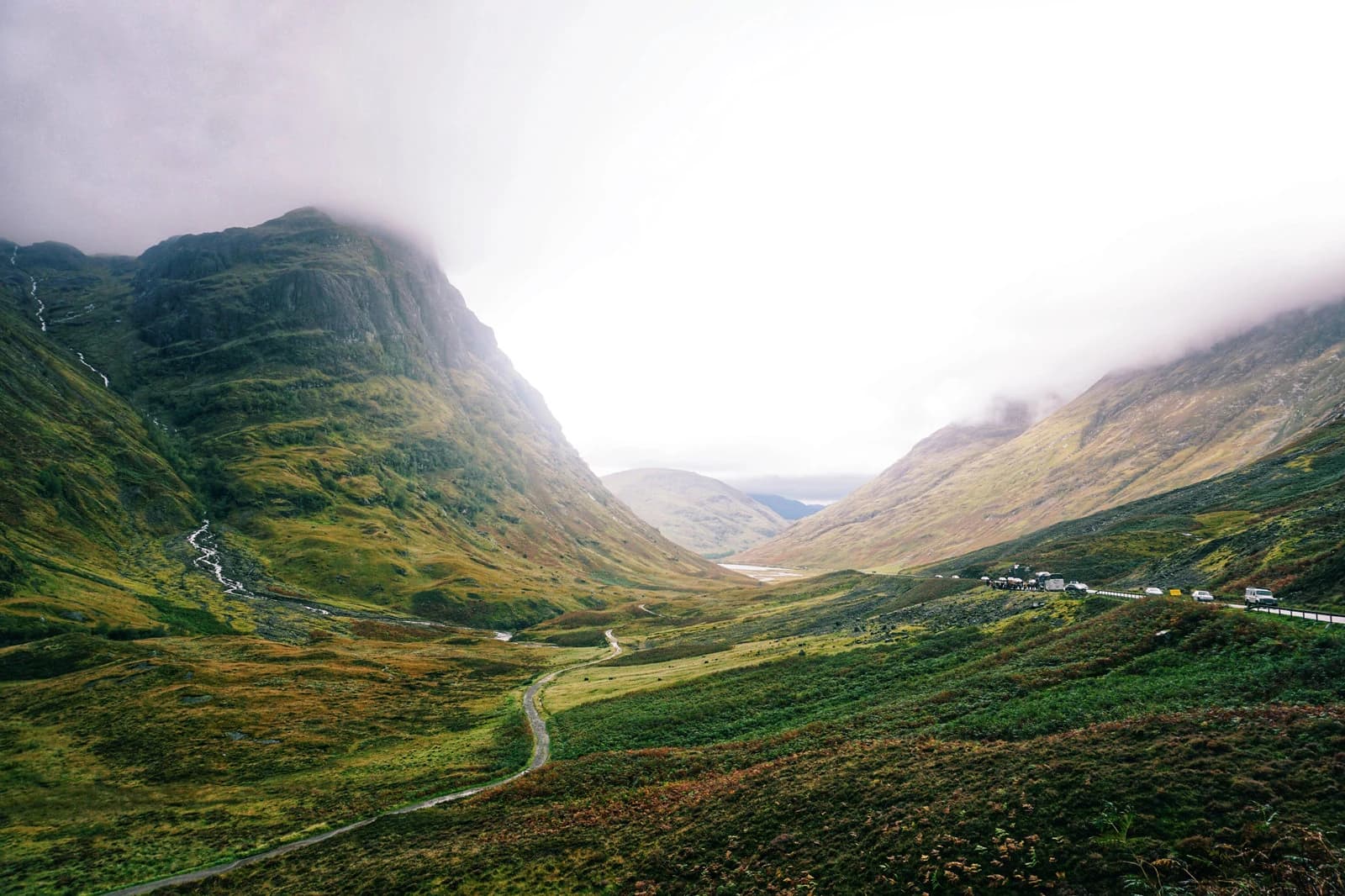
For a first private touring trip, our starting recommendation is usually May, June or September. They offer a useful balance of time outdoors and room to build a varied route. Your best month may be different: August suits festival plans, October lends itself to woodland colour, and winter can work beautifully for a shorter trip built around welcoming places to stay.
There is no month that guarantees sunshine, empty roads or every experience being available. Choose dates around what matters to you, then build a route that makes sense for that season. The following guide is a planning opinion from Scottish Luxury Experience, rather than a weather promise.
Choose the trip before choosing the month
Begin with the reason for travelling. Do you want to spend long days outside, visit a particular family place, attend a performance, play specific courses, or simply enjoy time together? A date range becomes much more useful once those priorities are clear.
Separate fixed requirements from preferences. A named event or a wedding has a date; a wish for Highland scenery usually has more flexibility. An anniversary can be marked on the exact day or with a trip close to it. Tell us which interpretation feels right to you, rather than letting the calendar decide by default.
Then consider how you like to travel. If a busy city energises you, peak festival periods may be part of the attraction. If you prefer calm hotel mornings and fewer reservations, choose your city dates more carefully. Neither is a better holiday in the abstract; the useful question is which feels like yours.
Spring: March, April and May
Spring is a good season to consider when you want a mix of towns, gardens and rural scenery. The days lengthen, but a March itinerary should still allow for cold conditions and the possibility that an attraction has not yet moved to its main-season opening pattern.
April often suits a route that alternates outdoor stops with castles, local food and comfortable stays. Keep the day adaptable: an exposed viewpoint can be optional, while a booked experience provides an anchor. Check school-holiday and Easter dates for your actual travel year, as their effect is not confined to one fixed week.
May is one of our preferred starting points for a first Highland journey. It gives us scope to design days with time outside without treating summer as the only opportunity. That is a planning preference, not a claim that May will always be drier or quieter. Small hotels and sought-after experiences still need forward planning.
Summer: June, July and August
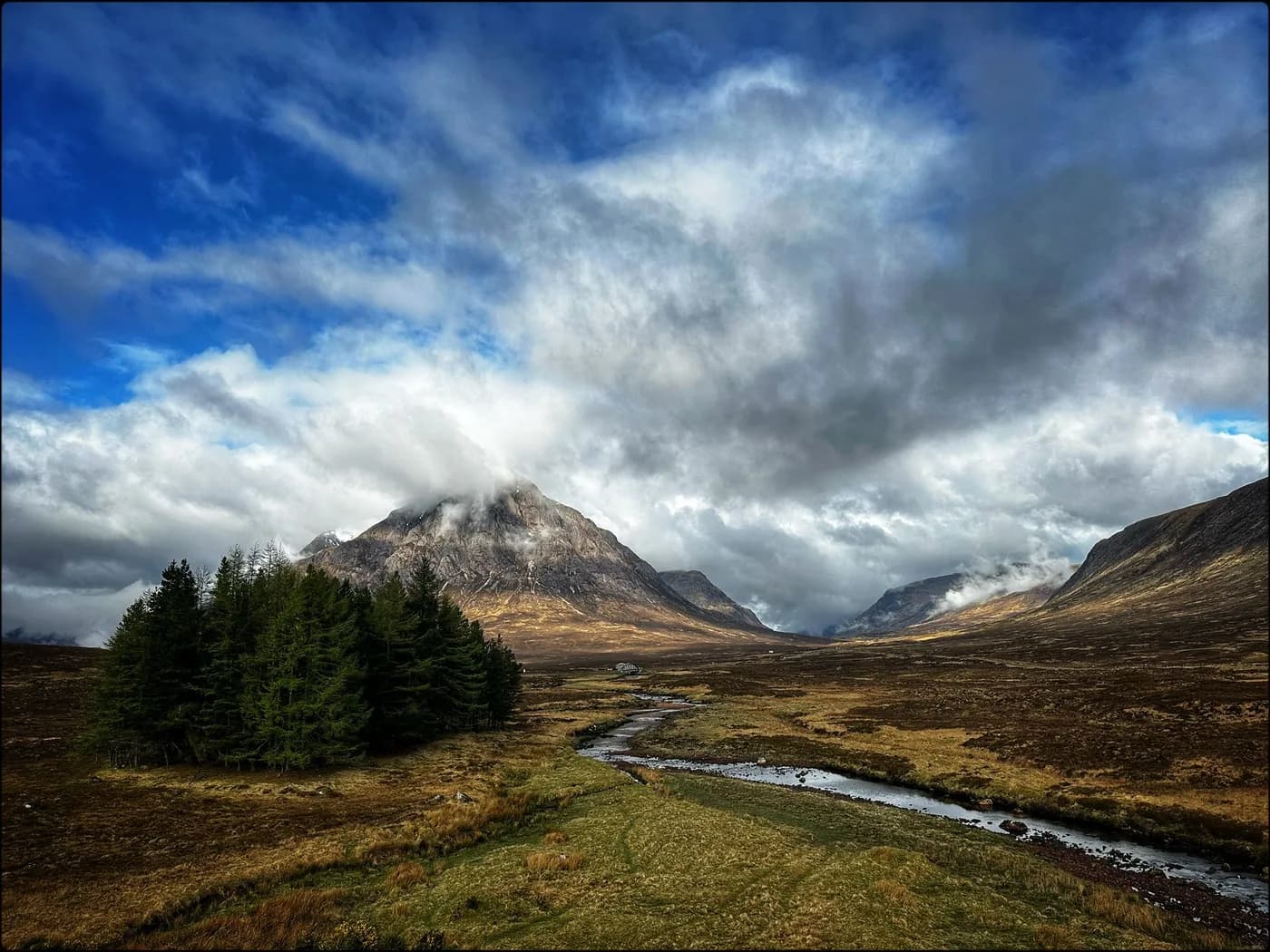
Summer’s long evenings are especially useful when your trip includes scenic drives, coastlines or days with several leisurely stops. A late arrival at your hotel need not feel quite the same as arriving after dark, although dinner times and your own energy still matter.
June is a strong option if you want a broad touring route with generous daylight. July often works well for families travelling around school commitments. August brings a different city atmosphere when major Edinburgh festivals are under way; choose it deliberately if that is part of what you want to experience.
Summer does not remove the need for weather alternatives. A ferry, a boat trip and a mountain outing still depend on conditions. Popular places may also take longer to move through. Build room into transfer days and reserve the experiences you would be disappointed to miss.
For outdoor-heavy routes, discuss midges as part of practical planning. Their impact varies with location and conditions. We would rather help you prepare for the activities you have chosen than promise a particular week is free of them. The packing guide explains the useful additions.
Autumn: September, October and November
September is another month we often suggest for a first visit. It can support a varied touring route while giving the trip a different feel from midsummer. Do not assume that all popular hotels become readily available immediately after August; specific dates and room categories still shape what is possible.
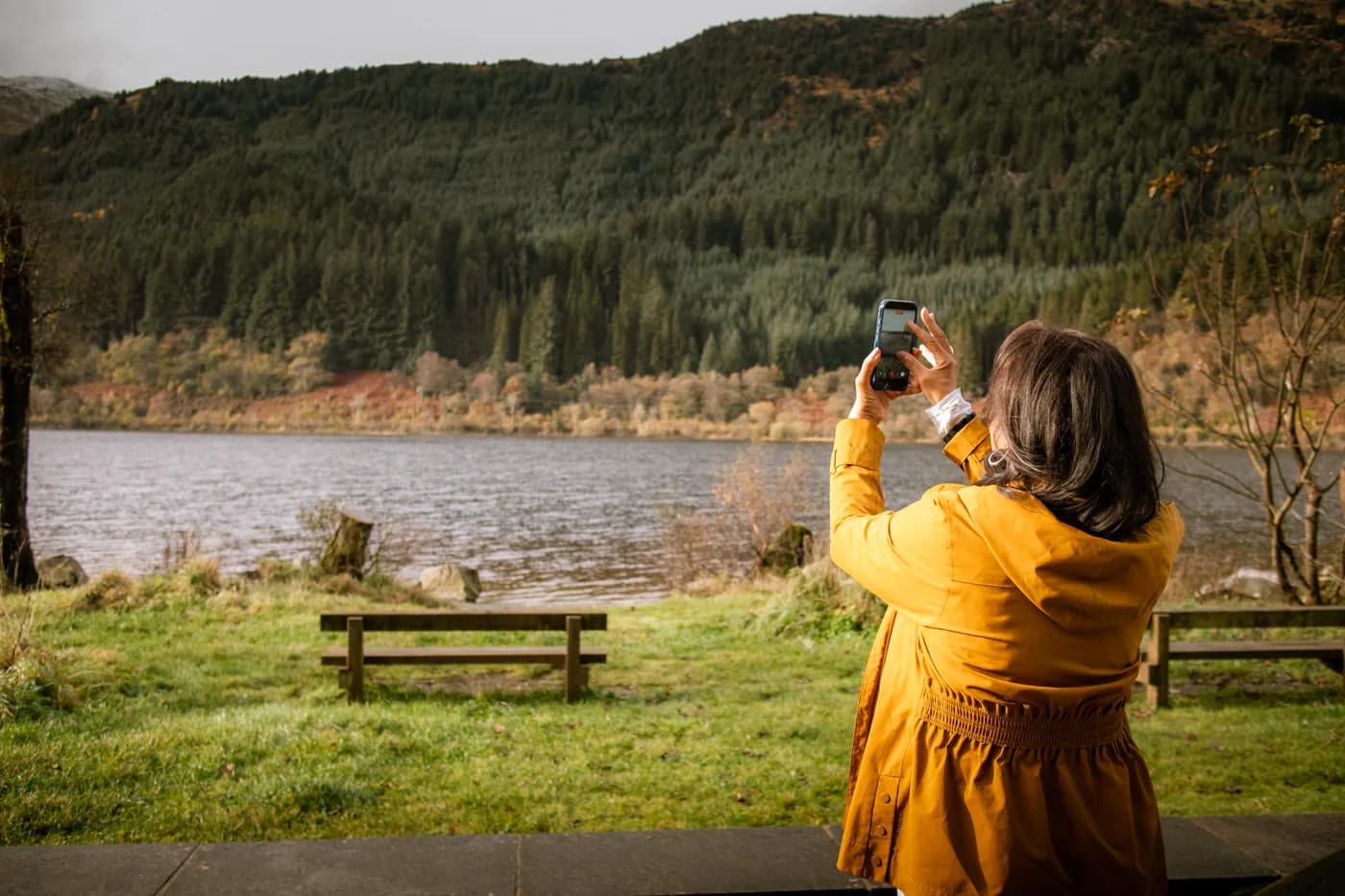
October suits a journey that gives woodland, rural stays and shorter outdoor outings plenty of attention. Perthshire is worth considering if autumn landscapes are part of your brief. The timing of leaf colour varies, so plan a rewarding trip around the region rather than one photograph that requires perfect timing.
By November, daylight should have a larger influence on the route. Keep the main outdoor activity in the middle of the day and think carefully before adding a long onward drive. A shorter circuit with comfortable bases may feel more satisfying than a broad tour that spends too much of its scenery time in darkness.
Winter: December, January and February
Winter can suit travellers who enjoy cities, heritage, local dining and a good hotel as much as they enjoy scenery. It asks for a more selective route, with fewer ambitious transfers and opening hours checked individually. A rural stay needs to be chosen for how it operates in winter, not simply how it looks in summer photographs.
December may include festive plans; January can be a reason to travel for a Burns-related dinner or a quiet escape. Check the actual event, venue and date before arranging the trip around it. February should still be approached as winter, particularly when the itinerary includes exposed or higher ground.
Snow is not guaranteed, even when the destination is Scotland and the month is January. Equally, an attractive photograph of a clear winter day does not tell you what the roads will be like during your visit. Keep weather-sensitive experiences flexible and choose accommodation where you would happily spend a slower afternoon.
Scotland month by month
Use this table to narrow your options. The suggestions describe how we would approach a brief; they are not fixed packages or a calendar of guaranteed conditions. You can also browse our journeys by month to begin a conversation about dates.
| Month | A good starting brief | What to check before committing |
|---|---|---|
| January | A compact city and countryside escape | Winter opening hours and daylight |
| February | Castles, local food and a comfortable rural base | Road conditions and attraction availability |
| March | A first taste of spring with indoor alternatives | Seasonal reopening dates |
| April | Gardens, heritage and a measured Highland route | Easter and school-holiday dates |
| May | A varied first touring trip with time outside | Your preferred hotels and special activities |
| June | Coastlines, scenic days and long evenings | Advance reservations for popular experiences |
| July | A family journey shaped around shared interests | School-holiday demand and room configuration |
| August | Edinburgh culture followed by countryside | Festival dates and city accommodation |
| September | A broad route with room to slow down | Availability for the exact weeks you want |
| October | Woodland, country stays and autumn scenery | Day length and seasonal timetables |
| November | Fewer bases, good dining and shorter excursions | Closures and the timing of outdoor stops |
| December | Festive city plans and time together | Venue schedules, bookings and winter transfers |
Which month is best for the Highlands and islands?
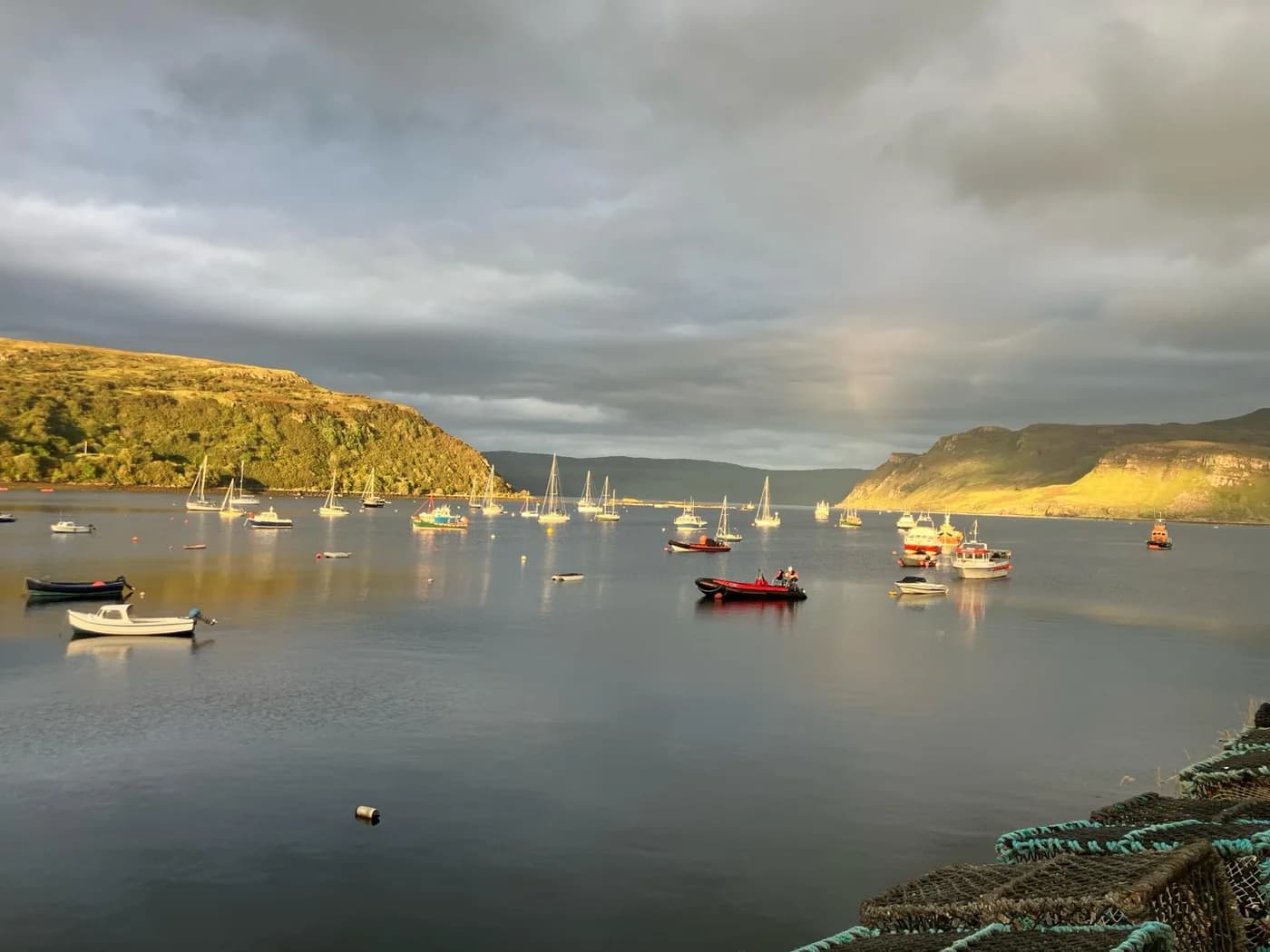
For a first Highlands-and-islands route, late spring through early autumn is a practical starting window. It gives you more daylight to work with, but a good island plan still depends on the specific crossings, accommodation and activities available for your dates.
Decide which island matters rather than treating “the islands” as one stop. Skye, Mull, Islay and the Outer Hebrides lead to different journeys. A distillery-focused visit has different constraints from a wildlife outing or several days walking. Choosing one island well is often more rewarding than spending the trip connecting several of them.
Check CalMac’s current timetables and service information for relevant west-coast crossings. Vehicle capacity, check-in requirements and disruption all deserve attention. A ferry-based route should have breathing space, especially if an onward flight would otherwise depend on a crossing operating exactly as planned.
For an island-led example, explore Journey the Scottish Isles. It provides a starting point for discussing which islands interest you and how your dates affect the route. We would confirm crossings and individual experiences as part of planning your version of the journey.
Which month is best for Edinburgh?
Edinburgh can be the focus of a short visit or the starting point for a wider trip. Your ideal dates depend on whether you want a lively cultural calendar or more freedom to choose dinners and visits at shorter notice. If attending an event is important, select the performance first and build around it.
For a first visit, allow an arrival day that is genuinely an arrival day. A long flight, a transfer and an unfamiliar time zone can make a tightly booked afternoon less enjoyable than expected. Keep something pleasant within reach of your hotel and leave the main sightseeing for when you are rested.
If the castle is a priority, use Edinburgh Castle’s visitor information to check tickets and arrangements for your dates. Do not assume that arriving in the morning without a reservation will provide the same options as booking ahead.
Quieter travel does not simply mean cheapest travel
Travelling outside a peak period can change availability, but it does not make every trip inexpensive. A small hotel may have fewer rooms open, a specialist experience may operate only on selected days, and a private vehicle remains a service for your party regardless of how busy the road feels.
If value is your main consideration, be flexible about the parts that actually influence the quote: dates, hotel choices, room categories and the number of regions. Our private-tour cost guide explains those choices. Avoid sacrificing a central part of the trip merely to travel in a month that is described as “off season”.
Match the season to the reason for your journey
A heritage trip may be shaped by archive access or a family place rather than weather. A golf journey needs course arrangements, while a fishing day needs advice from the relevant provider. Those details should be settled before a general seasonal preference becomes a non-refundable plan.
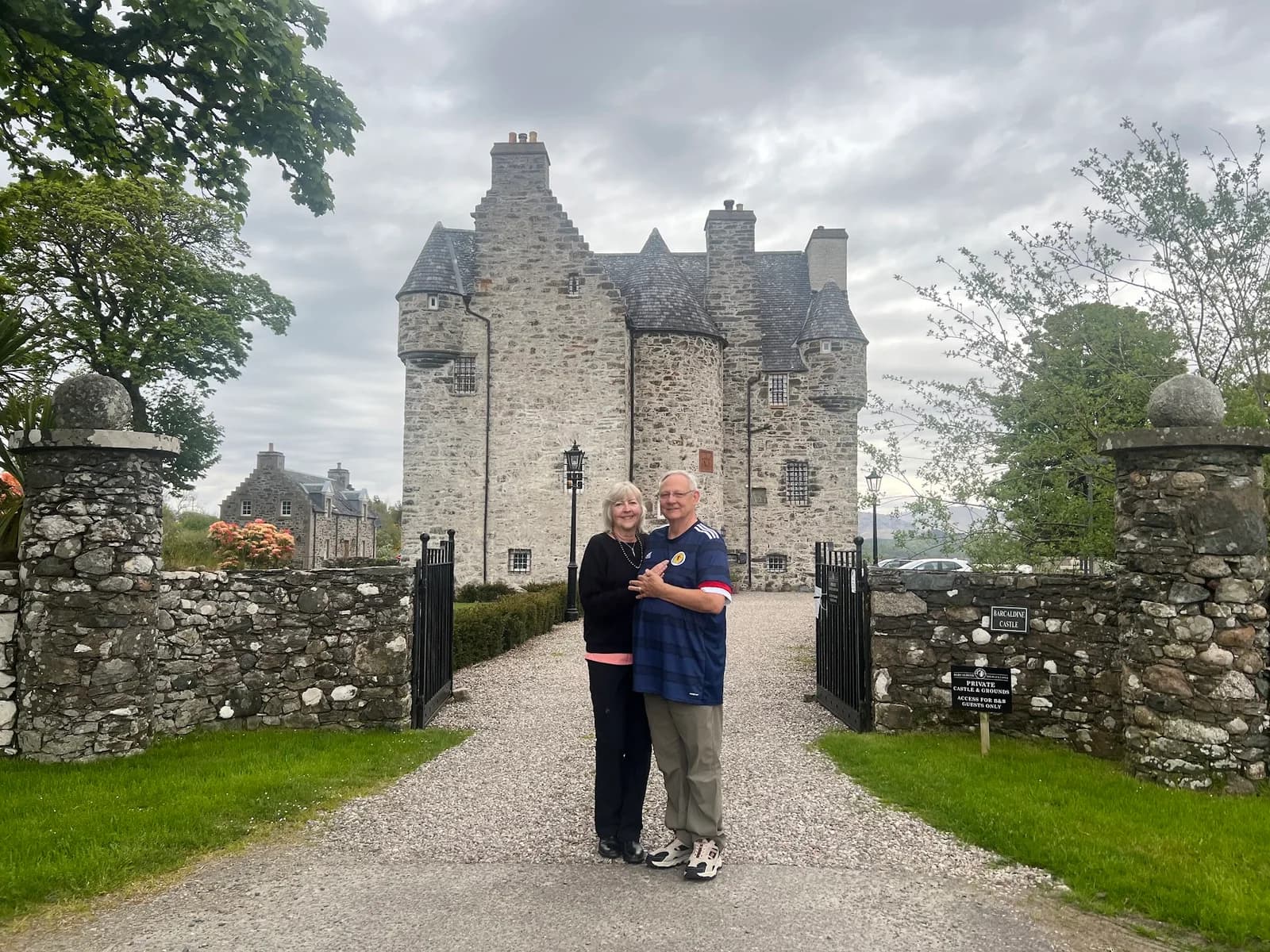
For couples, the best dates may simply be when you can give the trip your full attention. Eric and Charlyn’s anniversary story is an April journey built around their interests, rather than an attempt to tick off every famous place. It is a useful example of choosing a route for the people travelling.
A sensible way to decide
Give us two possible date windows, your three most important experiences and the kind of pace you want. Include any fixed commitments, such as school dates or an anniversary. We can then compare two real routes rather than debating an abstract “best” month.
Use VisitScotland’s seasonal overview for broader inspiration, then check individual venues and transport providers for current arrangements. Once your dates are chosen, our first-trip guide will help you decide how much of Scotland to include.