Practical advice
What to pack for Scotland, in every season
The layers you’ll use, the shoes worth bringing, and what changes from January to December.
For a touring holiday in Scotland, start with a waterproof jacket, a few layers you can combine, and comfortable shoes with grip. Add one outfit for dinner, a small day bag and clothing for the activities you’ve actually booked. The season changes the weight of those layers; it rarely removes the need for them.
You do not need a suitcase full of expedition clothing for a week of castles, lochs and good hotels. You do need to be comfortable getting out of the vehicle when the view is worth a stop. This guide is for that kind of trip, with a separate note on walking in the hills.
The essentials we would pack first
Think in outfits that work together. A shirt or light base layer, a jumper or fleece, and a waterproof outer layer give you more options than one very heavy coat. You can leave a layer in the vehicle, carry it on a short walk, or put it back on when you reach an exposed viewpoint.
- A waterproof jacket with a hood that fits properly.
- Comfortable walking shoes or boots that you have already worn.
- A spare pair of shoes, so one damp pair does not dictate tomorrow’s plans.
- A warm middle layer and enough everyday clothes to rotate between laundry stops.
- A small day bag for your jacket, water, phone and any personal essentials.
- An outfit you enjoy wearing to dinner, with shoes that suit the venue.
- A suitable UK travel adapter, charging leads and a small power bank.
- Sunglasses and sun protection, even when the forecast looks mixed.
Check your itinerary before adding specialist equipment. A boat trip, a round of golf and a formal dinner call for different things. Ask what your activity provider supplies, including waterproofs or protective equipment, rather than buying items you might never use.
Layers, waterproofs and footwear
A waterproof shell should fit over your warmest planned layer. Try that combination before travelling, and test whether the hood stays in place when you turn your head. A jacket that works for a short walk to a restaurant may not be comfortable for an hour outside in wind and rain.
For ordinary sightseeing, well-fitting shoes with tread are often more useful than heavy hiking boots. Castle approaches, cobbles and woodland paths can be uneven. If you plan longer walks on rough or wet ground, choose footwear for that terrain and break it in at home. Bring socks that work with it; an unfamiliar boot and a thin dress sock are an avoidable combination.
An umbrella can be handy in town, but it is a poor substitute for a hooded jacket on an exposed coast. A thin waterproof layer also packs more easily than a bulky coat you only wear occasionally. Leave enough room in your day bag to carry it when the weather changes.
What to pack for Scotland in spring
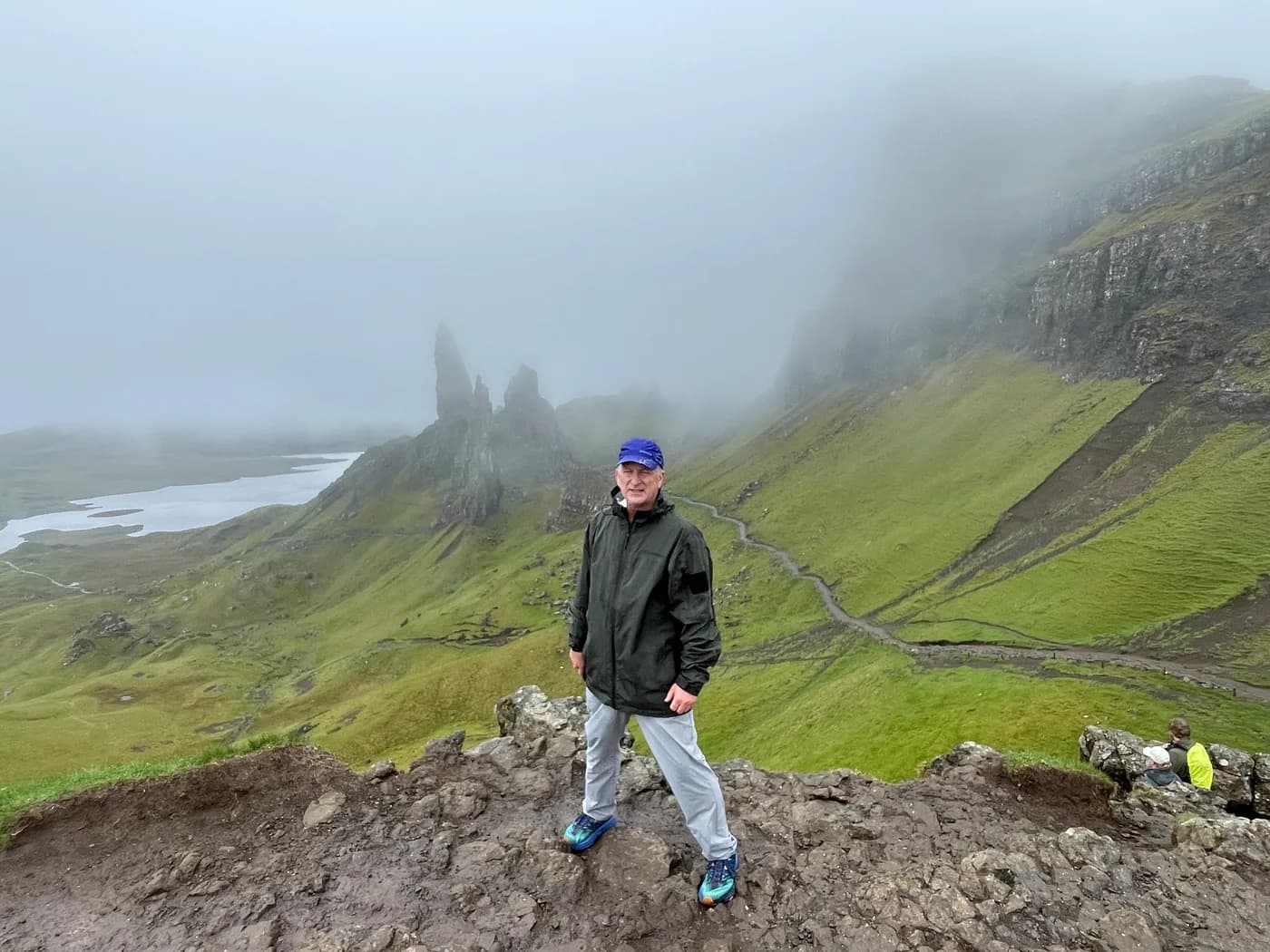
March, April and May reward a flexible wardrobe. Keep a warm jumper and a waterproof jacket in the daily rotation, and bring a lighter layer for milder spells. A scarf or neck warmer is easy to carry and useful on a boat or beside the sea.
March should still be treated as a potentially cold month. By April and May, you may use your lighter clothes more often, but do not pack only for the most appealing photograph in the forecast. A hotel garden and an exposed Highland viewpoint can feel quite different on the same day.
For a spring touring trip, we would keep the suitcase simple: repeatable daytime outfits, one spare warm layer and shoes you can wipe clean. If gardens, photography or outdoor activities are central to your trip, give weather protection more space than extra dinner outfits.
What to pack for Scotland in summer
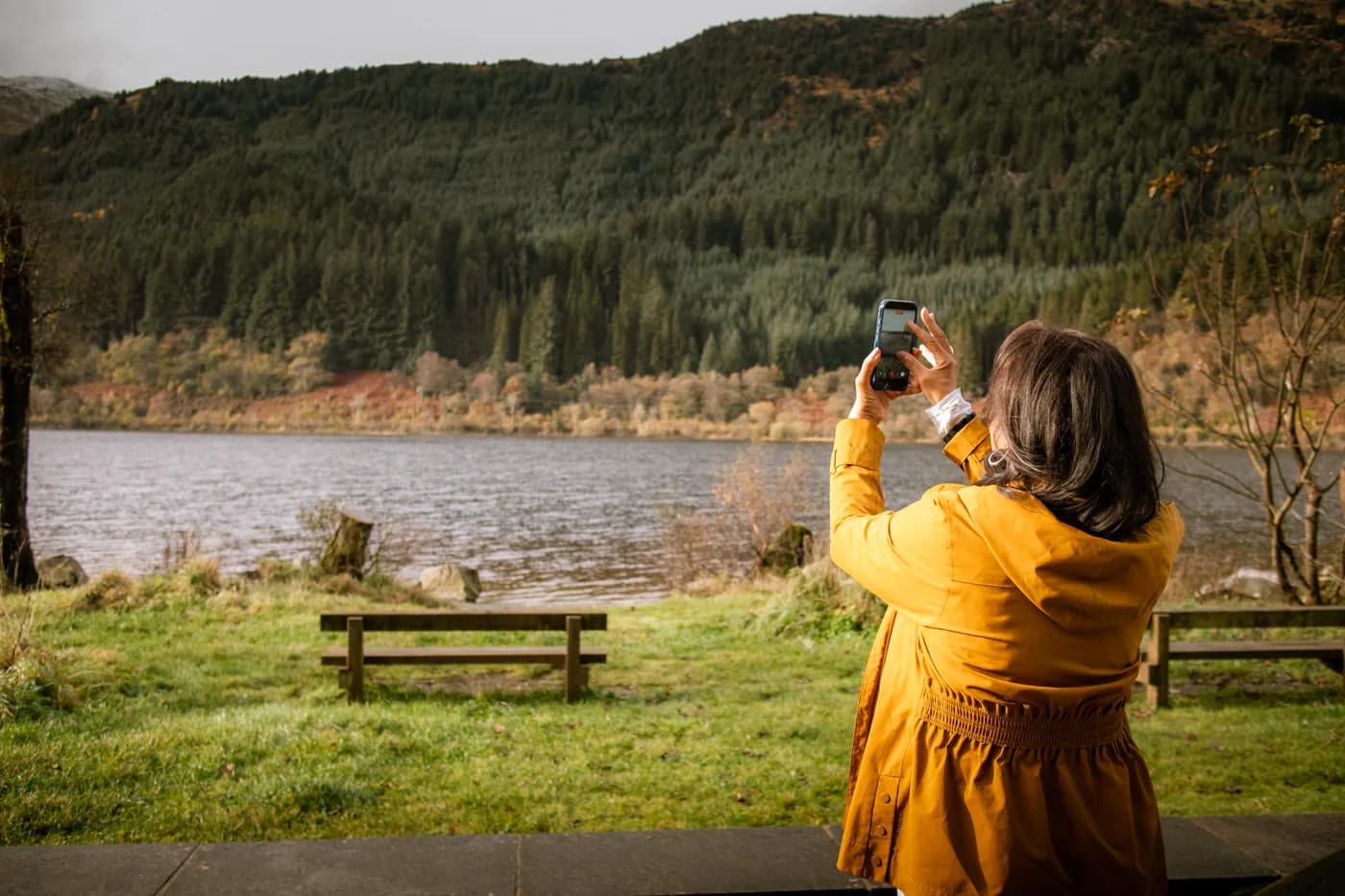
June, July and August are the months when lighter layers earn their place. Bring short-sleeved options, but keep a jumper and waterproof close to hand. Summer here does not mean every day will feel like a beach holiday, especially on a ferry deck or a coastal walk.
If you are spending time outdoors in the Highlands or on the west coast, ask about midge protection for your route. Repellent and, for longer outdoor sessions, a head net may be useful. Conditions vary, so neither a particular month nor a particular hotel can promise an insect-free trip. Choose any repellent according to its label and your own needs.
Longer evenings may mean more time outside than you expect. A small day bag and a light warm layer can make an after-dinner stroll comfortable. An eye mask is also worth considering if you are sensitive to a bright bedroom at bedtime. Keep sunglasses accessible rather than buried in your luggage.
What to pack for Scotland in autumn
September, October and November call for progressively warmer combinations. Pack a reliable waterproof, a warm middle layer and footwear that handles wet paths. Gloves and a hat take little room and become increasingly useful later in the season.
If you are planning woodland walks or photography stops, choose trousers and shoes you will not mind getting a little muddy. You can change before dinner; there is no need to dress for both activities at once. A small bag for damp clothing helps keep it separate until you reach your next stay.
November is a different proposition from early September. Give your outerwear more attention and consider how much time your itinerary spends outdoors. A warm coat may be welcome for town evenings, while a layered waterproof combination is usually more adaptable for daytime exploring.
What to pack for Scotland in winter
December, January and February need warmth as well as rain protection. Bring a coat or insulated layer appropriate to your plans, gloves, a hat, warm socks and shoes with dependable grip. An extra dry layer is especially useful if you will spend several hours outside.
Do not assume a winter itinerary requires snow boots, and do not assume trainers will suit every path. Snow and ice depend on the place, elevation and conditions. Ask about your actual route shortly before departure, particularly if it includes rural walks or stays away from the cities.
Winter touring is often easier with fewer clothing changes and a good place to dry your things. Check laundry and drying arrangements at your accommodation. If you are combining city dinners with rural sightseeing, bring one pair of smarter shoes and one pair for practical daytime use rather than compromising on both.
A month-by-month packing guide
These are planning prompts, not a forecast. Keep the year-round essentials above, then adjust them for the location and the week you travel. VisitScotland’s weather guide explains the broader seasonal pattern; check a current local forecast before closing your suitcase.
| Month | What deserves extra attention | A useful addition |
|---|---|---|
| January | Warmth and grip for cold outdoor stops | Gloves, hat and spare warm socks |
| February | Warm layers, wind protection and dry footwear | A second pair of practical shoes |
| March | A wardrobe that still handles winter-like days | A warm layer beneath your waterproof |
| April | Clothing you can add or remove during the day | A compact day bag for spare layers |
| May | Lighter daytime options without losing rain protection | Sunglasses and a light jumper |
| June | Long outdoor days and cooler coastal stops | Light layers and sun protection |
| July | Activity-specific clothing and outdoor insect protection | Repellent if appropriate to your plans |
| August | Town days, outdoor excursions and booked dining | An outfit suited to your dinner reservations |
| September | A mix of lighter and warmer combinations | A dependable fleece or jumper |
| October | Damp paths and colder evenings | Grippy footwear and a warm scarf |
| November | More insulation for time outside | Gloves and a dry spare layer |
| December | Warm sightseeing clothes and celebration outfits | A coat you can wear comfortably in town |
Dinner, hotels and special occasions
For many itineraries, smart-casual clothing covers most evenings. That might mean a shirt and trousers, a dress with a warm layer, or another outfit you feel good in. Your restaurant’s dress policy matters more than a generic rule about Scotland, so check any special reservation in advance.
You do not need to wear tartan or buy a kilt to feel appropriately dressed. If hiring Highland dress is part of a celebration, arrange it deliberately and allow time for fitting and collection. Otherwise, clothes you already know and like are a sound starting point.
For an anniversary journey, keep anything important to the occasion in your hand luggage where airline rules permit. The same practical thinking applies to wedding clothes or a favourite outfit for a booked photograph: it should arrive with you, not be essential to replace on day one.
Luggage, laundry and your day bag
Tell us how many cases you intend to bring before your vehicle is confirmed. Passenger seats and luggage space are separate considerations, particularly when a party has golf bags, mobility equipment or several large suitcases. Our private-driver guide covers that conversation in more detail.
For a longer trip, a planned laundry stop can reduce what you carry. Ask about service times and costs rather than assuming everything will be returned the same evening. A small laundry bag and a couple of easily washed outfits help keep the system simple.
Your day bag should be light enough to carry willingly. Put in the essentials for that day’s plans, then leave the rest at your accommodation or in the vehicle as agreed with your driver. Keep travel documents and valuables under your own control. Carry any prescribed medication according to your clinician’s advice and the applicable travel rules.
If you are going beyond a short scenic walk
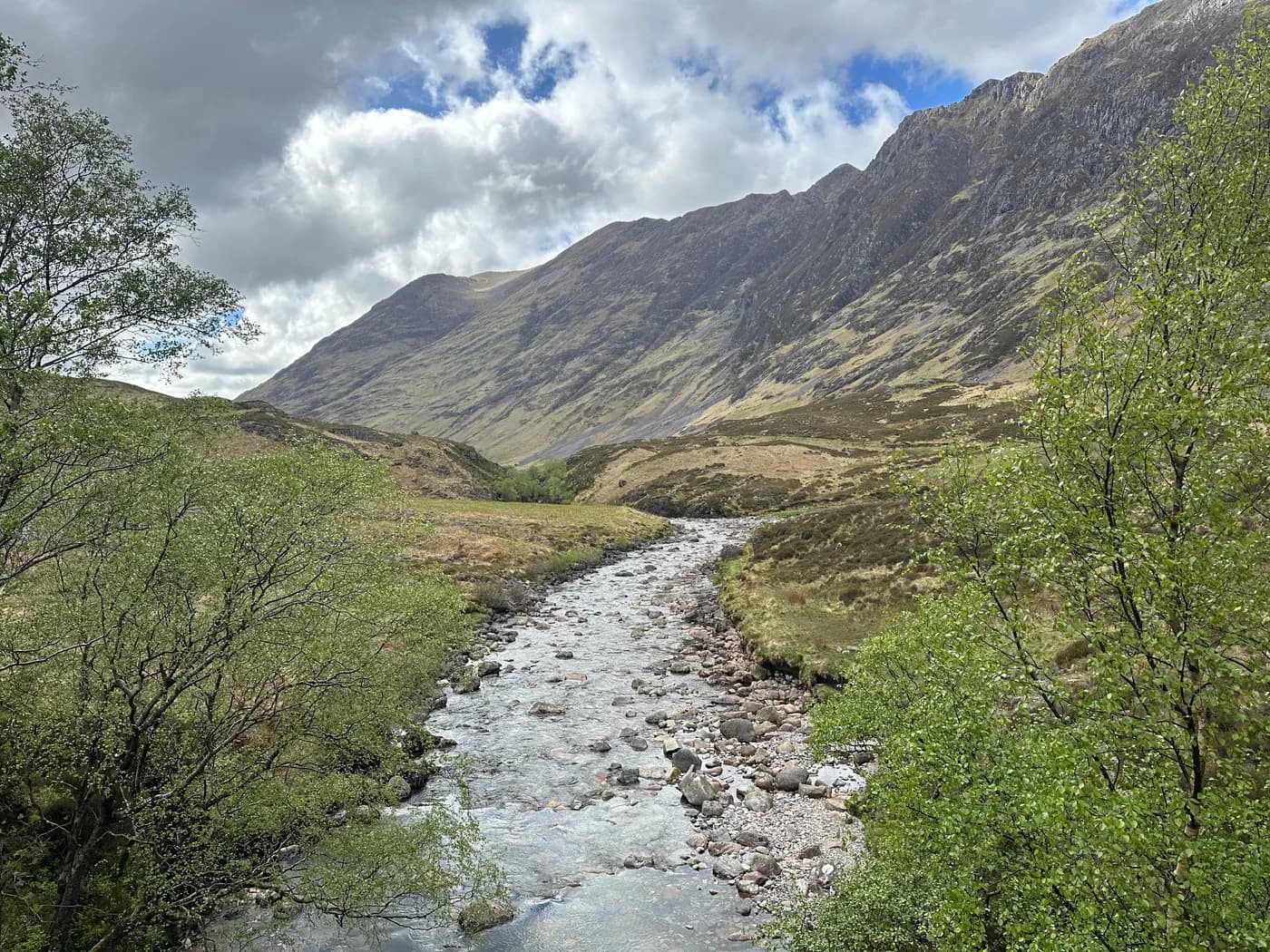
A touring checklist is not a complete hillwalking kit list. Mountain routes require preparation for the terrain, weather, navigation and your experience. Agree the route with your qualified activity provider and ask exactly what equipment you must bring or can borrow.
Read the official outdoor safety guidance when planning more ambitious days. A clear forecast at your hotel should not be used as a substitute for checking conditions where you intend to walk. If a walk is central to the trip, allow another day or another activity as an alternative.
If your trip is built around outdoor days, Wild Hearts, Rugged Paths shows the sort of activities that need their own packing conversation. For a golf-focused journey, browse A Highland Swing and ask which equipment can be arranged locally. Your confirmed activity list should determine the specialist items you bring.
Your printable Scotland packing checklist
Use this as a starting list, then add the items required by your confirmed activities. Tick it on screen or print just the checklist. It does not need your name or email address.
Ready for Scotland
Everyday touring essentials. Add the equipment your confirmed activities require.
Scottish Luxury Experience · scottishluxuryexperience.com
Before you close the suitcase
Check your itinerary, your accommodation’s laundry arrangements and the forecast for each region you are visiting. Then remove the items that only serve a hypothetical activity. A lighter case with the right jacket and shoes usually gives you more freedom than a larger case full of alternatives.
If your dates are still open, use our month-by-month guide to visiting Scotland first. Once the route is settled, we can help you refine the packing list around the way you actually want to spend your days.