Trips with a reason
A family reunion in Scotland: bringing everyone together
Time together, room for different interests, and a plan the family organiser can enjoy too.
A family reunion in Scotland works best when the trip gives you time together without asking everyone to enjoy the same things every day. Some relatives may want castles and walking; others may be most interested in a family village, a comfortable stay or simply the chance to sit around a table together.
Before choosing the route, agree who is coming, how many nights overlap and what everyone can comfortably spend. Then identify the moments that should belong to the whole family. We can build the travel, stays and individual options around those shared days, so the organiser gets to enjoy the holiday too.
Start with the reason for gathering
Ask why Scotland is the place you want to meet. It may be a shared family connection, a milestone occasion or a destination that several relatives have always wanted to see. That reason should guide the planning before a long list of attractions begins to take over.
Choose one or two shared priorities. Perhaps everyone wants to visit an ancestral village, or the main event is a dinner with relatives who live far apart. Protect those plans first, then let other interests shape the surrounding days. A reunion does not need to become a test of how much of Scotland you can cover.
If several generations are travelling, ask about individual preferences rather than assigning them by age. A grandparent may be the keenest walker, while a younger relative may want quieter mornings. The useful questions concern the person and what makes their day enjoyable.
Agree dates and budget before choosing accommodation
Collect possible travel windows from each household, including school holidays, work commitments and how long they can be away. Decide which dates everyone shares and which arrivals or departures can vary. That tells us whether to plan one group stay or a gathering within a longer trip.
Discuss money early and privately if necessary. Clarify whether a host is paying for the whole trip, covering the main celebration or contributing a fixed amount. If households are paying separately, agree how shared costs and optional extras will be handled before making reservations.
A more expensive property is not automatically the better reunion choice. Consider where you will eat, whether there is space to spend time together and how room arrangements suit the family. A proposal within everyone's comfort range is more likely to make the gathering relaxed from the outset.
Give the planning one point of contact
Choose a family organiser who can collect preferences, bring questions together and approve the agreed plan. Everyone should be heard, but sending several different versions of the brief makes it harder to know which decisions are final. One shared document can help keep the conversation manageable.
Use it to record arrival details, room needs, dietary requirements, important visits and the agreed budget. Keep personal information that does not need to be shared with the whole family in a separate conversation. The person managing the holiday should not have to chase the same details repeatedly.
We can work with that organiser while making sure the proposal is clear enough to circulate. Agree who has authority to approve additional costs and how changes are communicated. That becomes especially useful when relatives are travelling from different countries or joining for different portions of the journey.
One base or a touring route?
A single base is often worth considering when the reunion itself is the main purpose. You can unpack, spend evenings together and offer different excursions without moving the whole group each morning. Choose the location by looking at the visits you actually want to make from it.
A touring route can work when the family shares an interest in seeing several regions. It needs more coordination around luggage, room availability and daily departures. Staying several nights in each base can make those changes easier, especially for a larger party.
Avoid selecting a central-looking point on a map and assuming every outing will be short. Consider real road journeys and the time spent at the destination. Our first-trip planning guide helps compare what can reasonably fit into different lengths of stay; a reunion may benefit from reducing that geographical reach.
Match rooms and shared space to the group
Begin with the actual sleeping arrangements: couples, solo adults, children and anyone who needs a particular room setup. Confirm bed types and occupancy rather than assuming a room described as family accommodates your combination of guests. Connecting rooms and rooms beside each other need explicit confirmation.
For an exclusive-use property, ask about bedrooms, bathrooms, dining capacity and the spaces available to the whole group. Check whether catering, housekeeping and transport are part of the arrangement or booked separately. A large house can be appealing, but the everyday services determine how easy it is to use.
For a hotel stay, discuss where you will gather between outings. A reserved dinner table may solve the evening meal without providing somewhere to spend the rest of the evening together. If shared space is central to the reunion, make it a criterion before choosing the property.
Check transport against people and luggage
Give us the number of passengers and the luggage each household expects to bring. Include pushchairs, mobility equipment and larger items when relevant. A vehicle with enough passenger seats may still be the wrong choice if it leaves insufficient space for the group's belongings.
If there will be more than one vehicle, agree how the touring days work. Relatives might prefer to rotate seats or remain in household groups. Separate activities also require a transport plan: one vehicle cannot take one group walking and collect another elsewhere at the same time.
For children, share ages, heights and any appropriate seat requirements early. GOV.UK's child-seat guidance explains the rules, which vary with vehicle type and circumstances. Confirm suitable arrangements for each planned transfer rather than assuming a short journey needs no preparation.
Check access for the actual places you choose
Ask each traveller about steps, uneven paths, walking distances and how long they find comfortable in a vehicle. Use that information to assess particular visits and accommodation. The word accessible on a general listing cannot answer every person's needs.
A shorter route or a different entrance may help at one site, while another may not offer a suitable visit. Check the practical arrangements before making it a central shared event. It is better to find an appealing alternative at the planning stage than to leave someone waiting while the rest of the family goes inside.
Think about the whole day as well as the attraction. Parking, toilets, meal stops and the journey back to the hotel affect comfort. A day with fewer visits and enough pauses may give the family more energy to enjoy the evening together.
Leave room for different interests
Choose the days when everyone wants to be together, then identify where optional activities make sense. A morning with a shared start and separate afternoon plans can work well, provided the meeting point and transport are clear. Joining the family again should be easy.
Keep alternatives appealing in their own right. A relaxed lunch and a shorter historic visit can be a lovely day, rather than an inferior version of someone else's hill walk. Ask guests what they would enjoy doing instead of simply asking whether they can manage the main activity.
For the shared outings, avoid making one person's enthusiasm carry the entire route. Castles, scenery, food and time outdoors can be balanced across the week. A small choice offered to each household can help everyone feel that the holiday belongs to them.
A family trip with four clear wishes
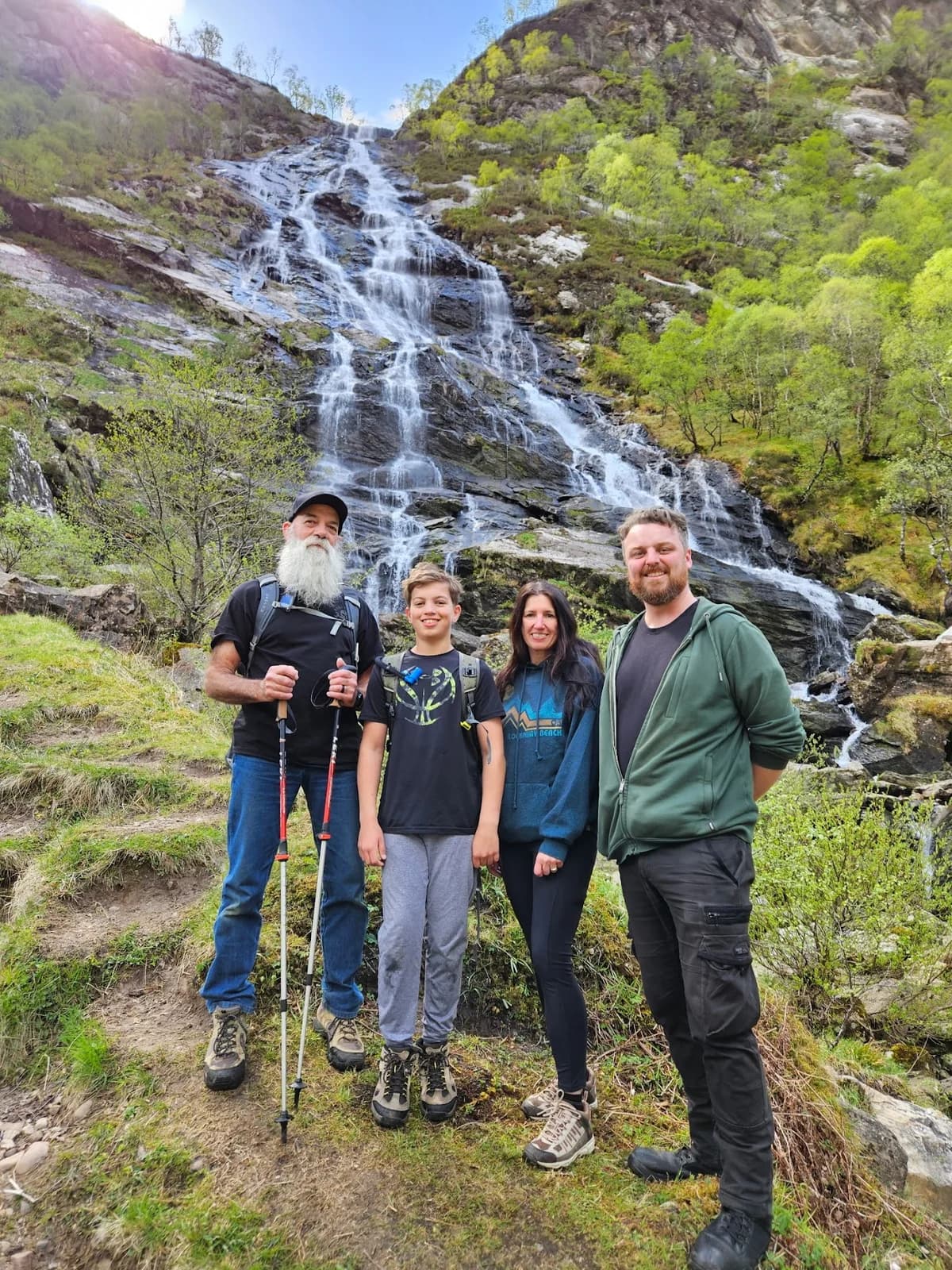
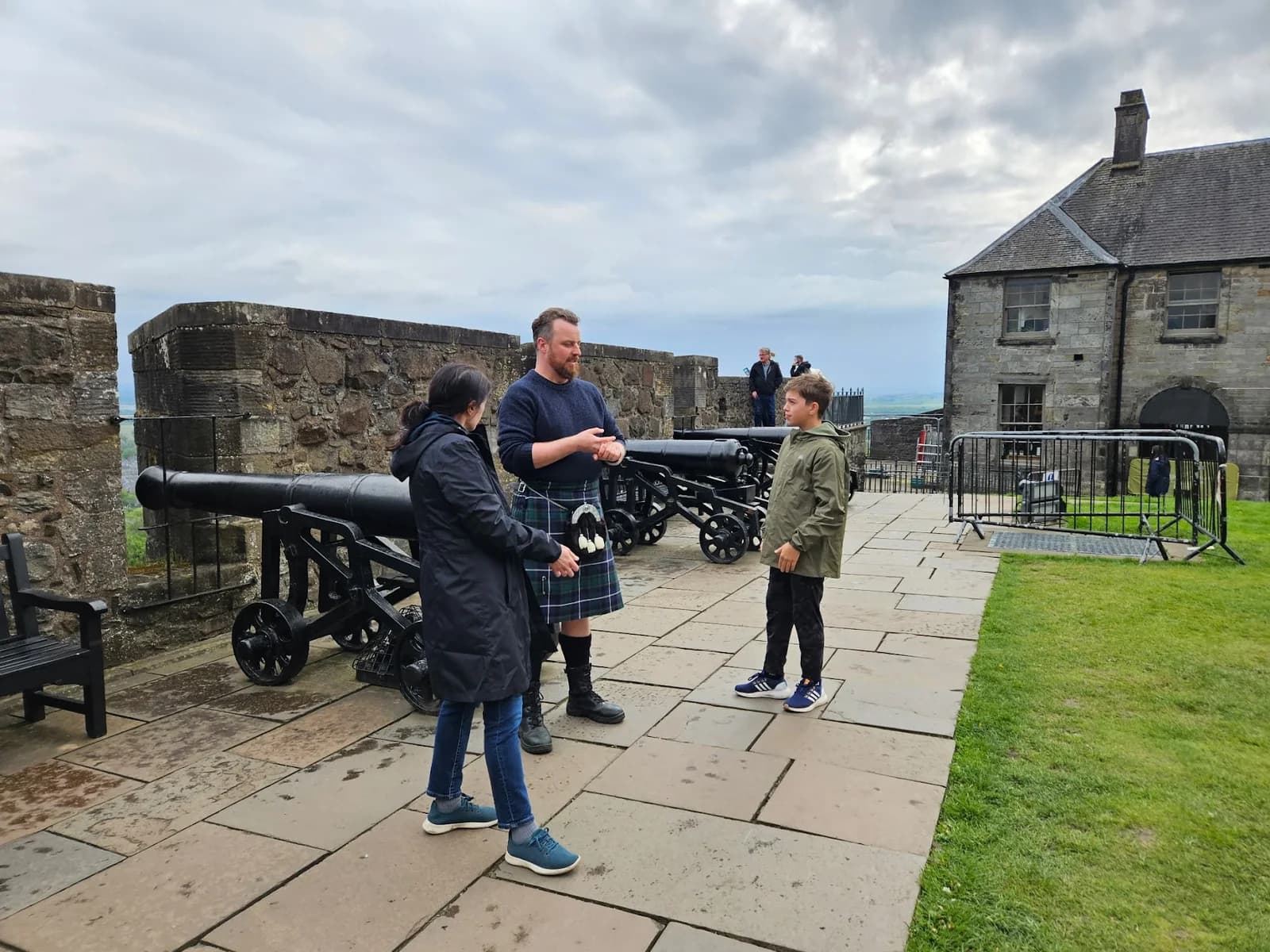
The McCormick family's journey was a family holiday rather than a reunion, but it illustrates the value of a brief built around real interests. Their thirteen-year-old chose Scotland and wanted castles, waterfall walks, haggis and bagpipes. Those wishes gave us a clear place to begin.
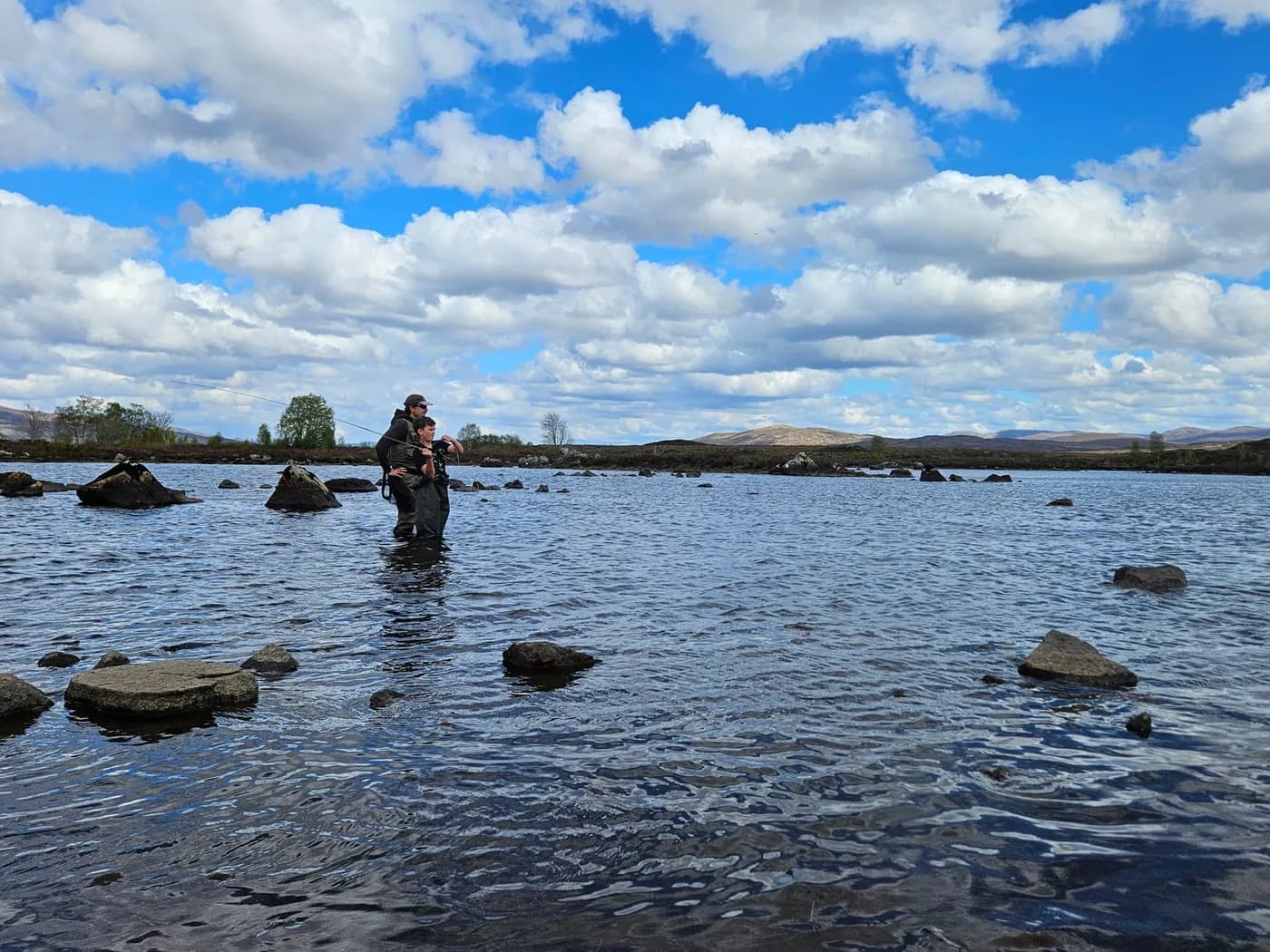
We built three guided days into their wider holiday, with a route from Edinburgh through Stirling and Inveraray towards Glencoe and Glenfinnan. A private bird-of-prey experience and a one-to-one fly-fishing lesson became additional highlights mentioned in their review. We also helped with accommodation and their independent travel arrangements.
For a larger gathering, the same approach can begin with one wish from each household. Some wishes will combine naturally; others may suit optional time. The aim is to understand the interests behind the list and make a route the family can actually enjoy together.

Plan meals as part of the gathering
Shared meals can be some of the most valuable parts of a reunion. Tell us which evenings you want everyone around the same table and how formal those meals should be. Larger tables, private spaces and particular timings need to be checked before the route is finalised.
Collect dietary requirements individually and pass them on accurately. For a group with children, consider meal length, timing and menu choices rather than assuming everyone will enjoy a lengthy dinner. A relaxed lunch may sometimes be the easier shared occasion.
Keep an eye on the household workload if you choose self-catering accommodation. Decide whether anyone wants to cook, whether meals should be arranged, and who is responsible for supplies. A family holiday should not quietly become a week of catering for one person.
Make space for a family photograph
Choose a moment when everyone is likely to be present, comfortable and unhurried. That might be before a shared dinner or during a short outing close to your base. A photograph becomes harder to organise if it is left until the final morning when different households are already departing.
If you want a professional photographer, arrange the time, location, fees and delivery details in advance. For outdoor plans, discuss a suitable alternative if conditions change. Nobody should need to spend a large part of the holiday waiting for one exact view to appear.
Family history may provide a meaningful setting, but it need not be the only option. A place you enjoyed together during the trip can be just as personal. Ask who is comfortable with photographs being shared and keep private images within the agreed audience.
Example itineraries for a family gathering
- Highlights of Scotland provides a broad introduction to discuss when the family has several Scottish interests.
- Harry Potter in Scotland offers a more focused starting point if the films and locations are a shared enthusiasm. Check specific activities and availability for your dates.
- Discover Your Heritage puts a family connection at the centre when ancestry is the reason for gathering.
These examples can help you describe the direction you want, rather than requiring everyone to follow an existing programme. Send us the party size, the nights you share, room needs, main reason for meeting and a realistic budget range. We can then plan the group arrangements alongside the time that lets each person enjoy Scotland in their own way.